Donald Trump says Europe has agreed to release a massive amount of diesel, starting immediately. Brussels has yet to confirm any decision. Paris has floated a release, but EU governments want a guarantee that US diesel keeps flowing.
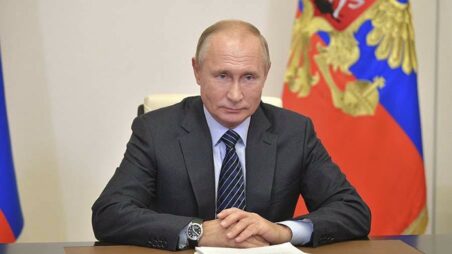
US President Donald Trump announced on Friday afternoon that Europe had agreed to release its diesel reserves. “Europe has just agreed to release a massive amount of their heavily stocked Diesel Oil,” he wrote on his Truth Social network. “The process will begin immediately.” He did not say which countries would release stocks, or how much. The European Commission had not confirmed any decision by the time of publication.
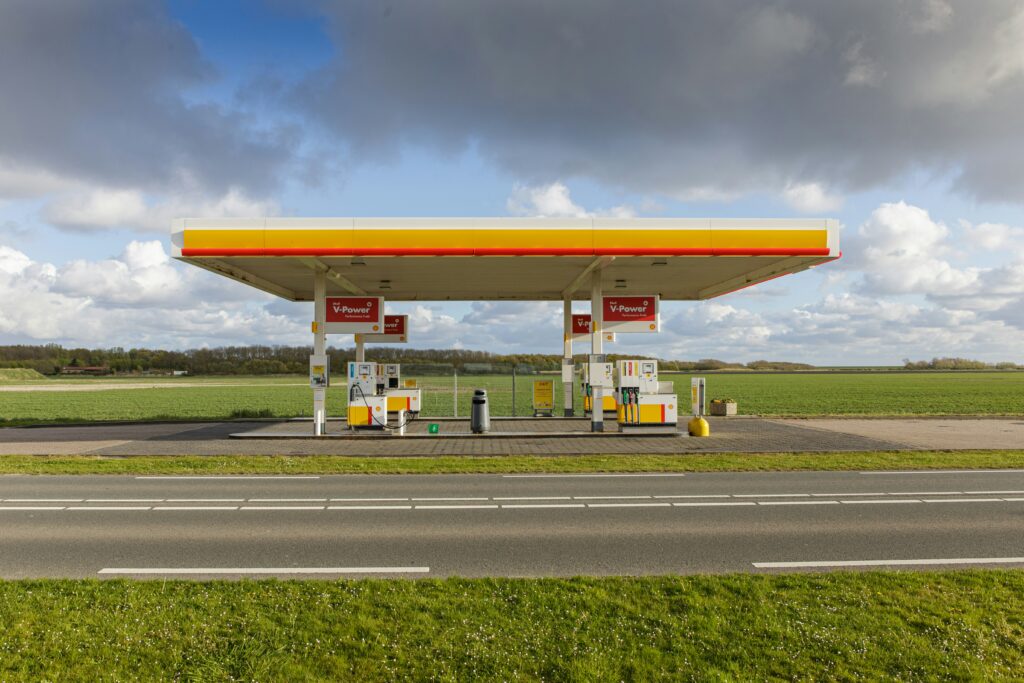
EU governments discussed the French proposal on Friday, Reuters reported, citing sources familiar with the talks. Under the plan, European countries would release 50 million barrels of diesel from their emergency reserves in response to soaring fuel prices and US pressure. Members of the International Energy Agency (IEA) would add another 50 million barrels of crude oil. Governments discussed making further releases conditional on a US promise not to ban diesel exports. The Commission rejected Washington’s threatened export ban, but said the EU was ready for collective action through the IEA.
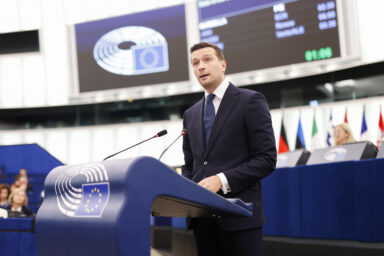
“We fully reject any ban on diesel,” Commission spokesperson Anna-Kaisa Itkonen told the Commission’s midday briefing in Brussels. “A ban would not be beneficial to anyone. It would undermine our trust in the United States as a reliable partner.” She confirmed that the Commission and member states had coordinated their positions that morning. However, she declined to disclose details of the French proposal.
Offer on the table, threat rejected
The discussions follow the pressure on France and Germany described in Thursday’s EU Perspectives article. Washington wants European governments to draw down their emergency diesel stocks as high American fuel prices become a political problem before November’s midterm elections. A US export ban would threaten supplies on which Europe has become increasingly dependent.
French President Emmanuel Macron spoke overnight with Mr Trump and Canadian Prime Minister Mark Carney about energy prices and supplies. According to his office, he urged G7 countries to act together, without restrictions on exports. France, which holds the G7 presidency, convened a videoconference of G7 leaders on energy for Friday afternoon.
At the Commission briefing, journalists questioned whether a reserve release would amount to giving in to American pressure. The Commission rejected that interpretation, saying its work on the energy crisis had begun months before the latest threats. It also stressed that countries were still implementing the coordinated release agreed with the IEA in March.
“Our priority is to guarantee the security of supply of our Member States,” Ms Itkonen said. The Commission would coordinate national positions on any further collective action through the IEA. At midday, officials confirmed that no one had taken a new release decision.
High prices, but no immediate shortage
The Commission distinguished the pressure on consumers from an immediate supply emergency. “What is obviously worrying … is that we are facing an affordability crisis,” Ms Itkonen said. Supplies remained stable for the time being, she added, while the Commission was preparing further proposals to address high energy costs.
A ban would not be beneficial to anyone. It would undermine our trust in the United States as a reliable partner. — Anna-Kaisa Itkonen, European Commission spokesperson
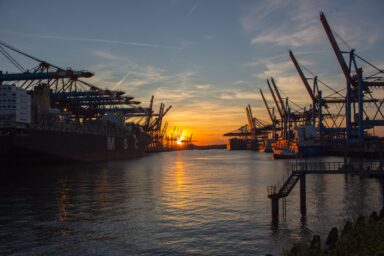
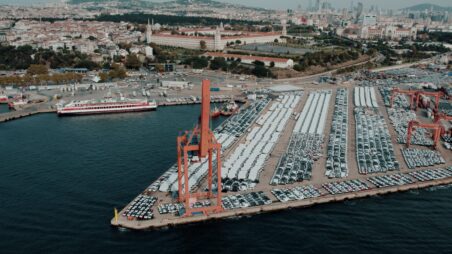
The Commission’s latest oil-market assessment found that European refineries were operating near maximum capacity. Diesel and jet-fuel prices remained high, and commercial stocks at the Amsterdam–Rotterdam–Antwerp trading hub were below their five-year average. Emergency reserves were still available in the event of disruption.
Friday’s talks have put a concrete European proposal on the table, but its size, timing, and conditions remain unsettled. The next step is agreement with international partners on whether to release more stocks, and how to keep fuel moving across borders while doing so.