Energy bills are climbing, and Brussels does not want climate paperwork to push them higher. Europe’s gas, oil, and coal buyers should get one more year before they must prove that their suppliers keep methane leaks in check. Lawmakers and governments have until January to agree.
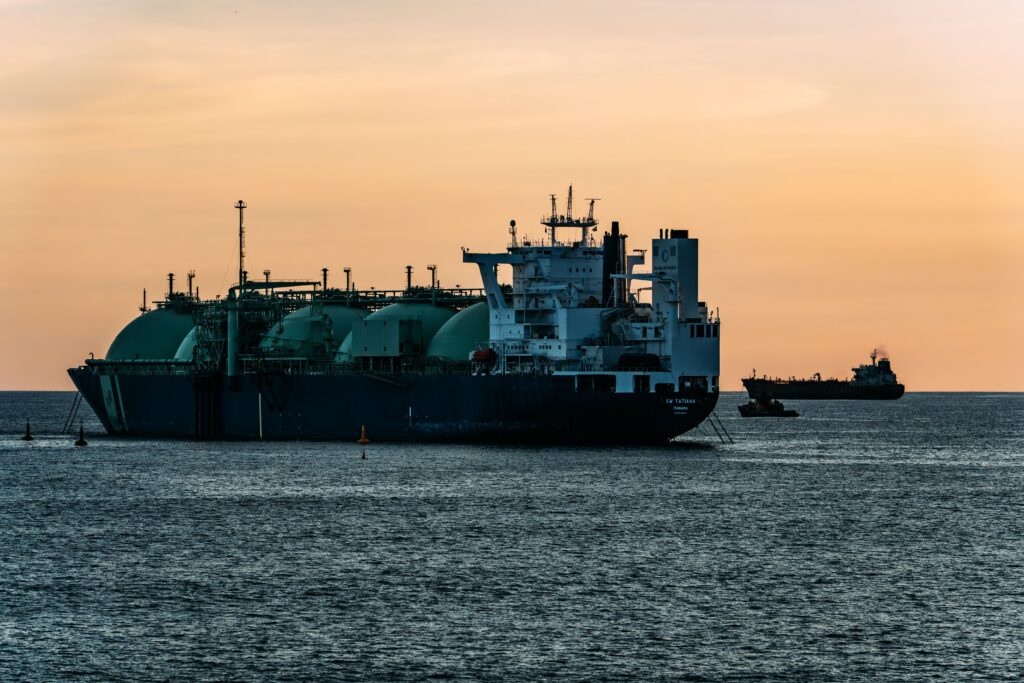
Gas shipped to Europe this winter was meant to come with a new kind of proof. From 1 January 2027, importers must show that the fuel comes from producers who monitor, report, and verify methane leaks to standards equivalent to the EU’s. The rule covers contracts signed or renewed since August 2024. On 14 October, the European Commission proposed pushing that date back by a year.
The goal is to keep fuel flowing at a moment when every cargo counts. Supply routes are under strain and alternative sellers are few, so Brussels wants to avoid anything that could make deals harder to close. The delay also covers related rules on methane intensity, meaning how much methane escapes per unit of fuel. Those apply to importers and EU producers alike.
Hormuz squeeze hits household bills
The pressure comes from the Gulf. The prolonged closure of the Strait of Hormuz has blocked a route that carries 20 per cent of the world’s liquefied natural gas and a quarter of its seaborne oil, according to the Commission. Gas prices have risen by 140 per cent since the end of February, Commission President Ursula von der Leyen told lawmakers on 6 October. Yet Europe is not running short of fuel. The EU faces no security of supply problem today, Commission spokesperson Anna-Kaisa Itkonen admitted on 14 October. The danger lies in high prices and a market nobody can predict, she said.
Storage offers only a partial cushion. In late September, gas tanks across the EU were around 70 per cent full, but Germany’s stood at just 57 per cent. Commissioner for Energy and Housing Dan Jørgensen has warned of “very high prices” this winter. Any extra risk to supply would land straight on household and factory bills.
Importers and several governments have long argued that the deadline was out of reach. Many producing countries lack the equipment and independent inspectors needed to measure leaks at oil and gas sites. The EU’s own rulebook is unfinished too. The Commission is still drafting standards, leak detection limits, and a method to calculate methane intensity.
Governments were split on the answer. A group of more than a dozen member states, led by Czechia, wanted three years, while Spain opposed any delay. Brussels had been weighing a one-year pause for weeks and has now chosen it. In July, it had already advised capitals to suspend penalties, but only a change to the law can move the deadline itself.
Climate cost of waiting
The delay comes at a climate price. Methane traps far more heat than carbon dioxide in the short term and is the second-largest driver of human-made global warming. The 2024 regulation was the first in the world to extend leak checks to imported fuel. Critics now accuse Brussels of bowing to big oil. Ms Itkonen rejected that, saying importers must still be ready by January 2028. “It’s not like we’re giving a free pass to anyone,” she said.
The priority now is to shield European citizens from the price volatility we are facing. — Dan Jørgensen, Commissioner for Energy and Housing
Mr Jørgensen insists the ambition stays. “Europe’s ambition in the fight against climate change remains unflinching. But as we approach a difficult winter in terms of energy prices, we need to be flexible and pragmatic in the implementation of our rules. The priority now is to shield European citizens from the price volatility we are facing, and avoid any potential additional risk to energy supplies at a time of global constraints,” he said.
Time is short. The European Parliament and the Council of the EU must approve the change before 1 January, or the original deadline applies. Socialists and Democrats (S&D) lawmakers who negotiated the original law have already raised the stakes. In a letter this week, they urged the Commission to withdraw its proposal if governments or MEPs use the talks to weaken the rules further. Brussels will defend its proposal, Ms Itkonen replied.