Living on the EU’s eastern frontier increasingly means facing security threats while watching jobs, investment and population dwindle. The European Parliament calls for targeted funding for these regions in the bloc’s next long-term budget.
The resolution received 414 votes in favour, 79 against and 90 abstentions. It sets out Parliament’s demands for future EU funding, rather than releasing money immediately.
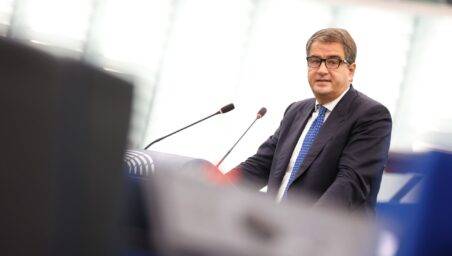
Rapporteur Jacek Protas (EPP/POL) linked regional development to Europe’s collective security. “Europe cannot ask these regions to carry this burden without giving them the means to respond,” he said after the Regional Development Committee backed the report earlier this month.
Security investment and keeping communities alive
The report seeks dedicated support in the EU’s 2028–34 long-term budget, including ring-fenced allocations of up to ten per cent within relevant financial instruments. It also calls for at least €150 million under future Interreg programmes to compensate for funding lost following the suspension of cross-border cooperation with Russia and Belarus.
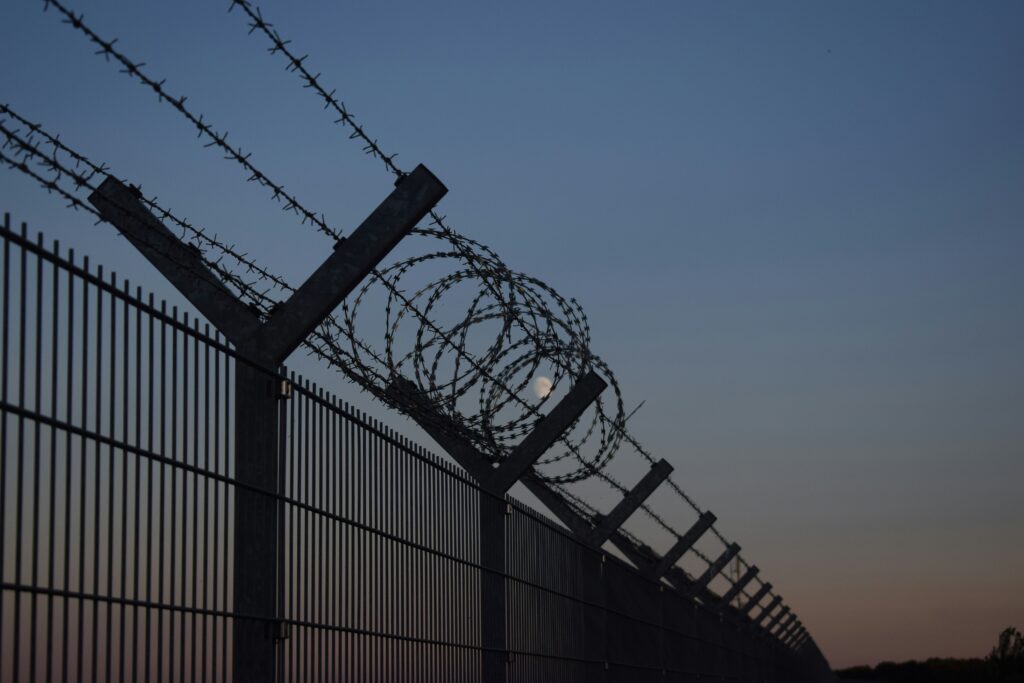
The proposals address a double pressure. Eastern border regions face sabotage, cyberattacks and threats to infrastructure while also struggling with disrupted trade, weaker investment and depopulation. The Commission’s existing eastern-regions strategy covers areas in nine countries, from Finland and the Baltic states to Romania and Bulgaria.
Europe cannot ask these regions to carry this burden without giving them the means to respond. — Jacek Protas (EPP/POL)
Parliament wants funding to support transport, energy and digital connections, civil preparedness and infrastructure serving both civilian and defence needs. But the report warns that security spending should not displace investment in jobs, services and local development, which could deepen economic decline and encourage more people to leave.
Those demands now feed into negotiations on the next seven-year EU budget. Thursday’s resolution adds political pressure for dedicated support, but the amounts and funding arrangements still require agreement.