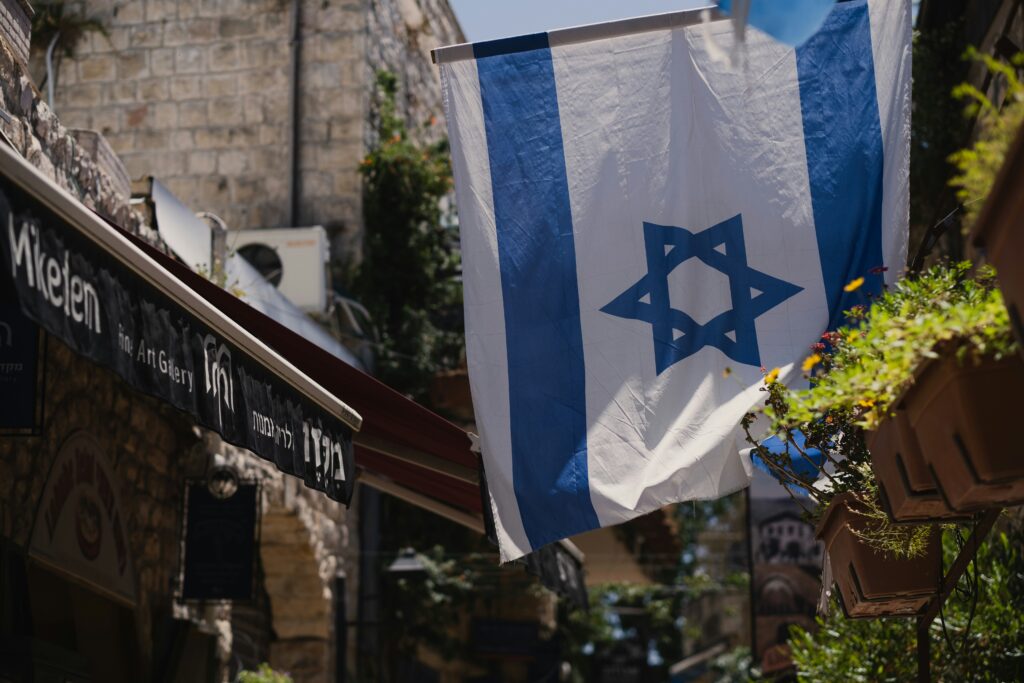
Benjamin Netanyahu’s bloc has lost its parliamentary majority, but he remains Israel’s prime minister as difficult coalition negotiations begin. Arab-led parties won a record 19 seats and could help his opponents form a government. In Europe, calls for humanitarian access and an end to settler violence are continuing despite uncertainty over who will govern.
“Now comes the truly hard part: trying to form a government,” opposition politician Yair Lapid wrote on X. The final count confirms that neither Mr Netanyahu nor his principal rival, former military chief Gadi Eisenkot, commands enough seats to govern with their existing allies.
Arab parties hold a possible route to power
The results released early on Friday give Mr Netanyahu’s bloc 53 seats in the 120-member Knesset, eight short of a majority. Mr Eisenkot’s opposition bloc holds 48. The Joint List and Ra’am together secured 19 seats, following a turnout of 77.9%.
The opposition and Arab-led parties would together command 67 seats. However, as AP’s assessment of the options explains, cooperation could alienate right-wing opposition partners. Arab parties could also support a minority government without joining it. A unity government involving Mr Netanyahu would require opponents to abandon promises not to serve alongside him.
Now comes the truly hard part: trying to form a government.
—Yair Lapid, Israeli opposiotion leader
The results must be certified and submitted to President Isaac Herzog on 4 November before consultations on forming a government. The new Knesset is expected to convene on 10 November. As EU Perspectives reported after the initial count, the largest party does not automatically have the partners needed to take power.
The negotiations begin amid disputed allegations about the vote. AP reported that Mr Netanyahu and his party Likud amplified unsubstantiated claims concerning Arab-led parties and foreign assistance. Election authorities said allegations of systematic violations of electoral integrity were baseless and that the investigation into possible interference would not affect the final results.
European pressure and contrasting congratulations
The EU welcomed participation in the election without endorsing a candidate. “The European Union congratulates the Israeli people on yesterday’s elections, which saw a high voter turnout, reflecting Israel’s vibrant democracy,” it said in its Wednesday statement. Slovenian Prime Minister Janez Janša went further, congratulating Mr Netanyahu and Likud on their “victory”. “It is not easy to fight on two fronts and win,” he wrote on X. Former Hungarian prime minister Viktor Orbán also offered congratulations on Wednesday, expressing hope that Mr Netanyahu would remain prime minister. Both politicians spoke before the final count confirmed his bloc’s loss of its majority.
Other European voices focused on what the government must do while negotiations continue. German Development Minister Reem Alabali Radovan warned that humanitarian needs in Gaza could not wait for coalition talks, according to DW’s Thursday report. “Radical settler violence must be stopped,” she said, translated from German, stressing the caretaker government’s continuing responsibility. Jürgen Hardt, the CDU/CSU parliamentary group’s foreign-policy spokesman, favoured a government closer to the political centre and considered an Eisenkot minority administration supported by Arab-led parties conceivable, provided they rejected terrorism against Israel.
The caretaker period also requires European action, argues Beth Oppenheim, a policy fellow at the European Council on Foreign Relations. “Europeans should act now to constrain Netanyahu,” she wrote in analysis published on Thursday. She urged governments to press for humanitarian access, maintain pressure over settlements, and oppose regional escalation. Her recommendations address the immediate consequence of Friday’s result: Mr Netanyahu has lost his majority, while retaining power during negotiations that could last weeks.