Paris, Barcelona, and Venice top holiday wish lists and fill cinema screens. The European Commission now wants travellers to look further afield, and outside the summer rush. Its first-ever EU tourism strategy aims to spread visitors and their money across more destinations, giving crowded hotspots room to breathe.
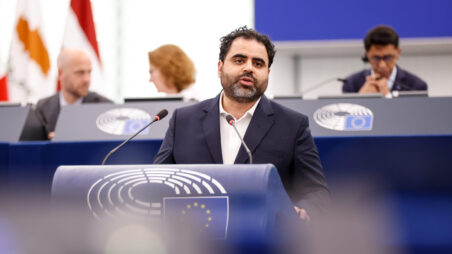
“We must move beyond chasing visitor numbers. We must focus on lasting value, protecting citizens’ and residents’ quality of life, and supporting local communities and businesses,” Commissioner for Sustainable Transport and Tourism Apostolos Tzitzikostas said on Wednesday. The Commission’s new strategy sets out how it wants destinations to manage tourism’s growth, although much of the practical work remains ahead.
Half of overnight stays in few regions
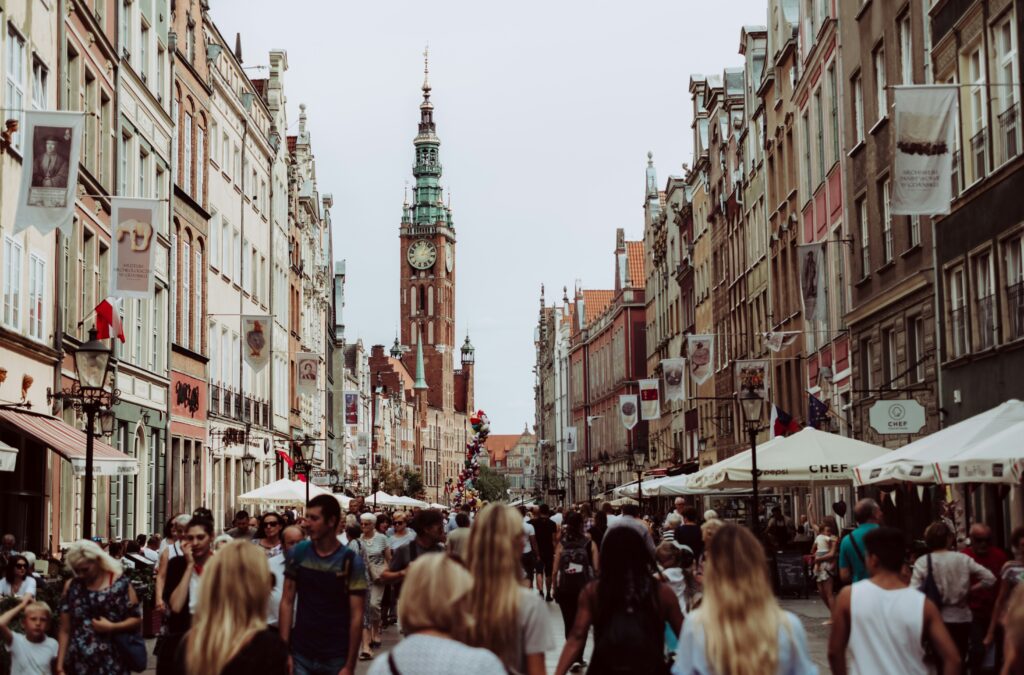
Just 13 per cent of European regions account for half of overnight stays, Mr Tzitzikostas told the press conference. Visitors concentrate in popular destinations and peak seasons, putting pressure on infrastructure and local communities. Other places receive a much smaller share of the business. The Commission wants authorities to encourage travel throughout the year and help lesser-known destinations attract visitors.
“Our objective is not simply to attract more tourists to the same destinations. It is to create more value and spread the benefits of tourism more widely,” Executive Vice-President for Cohesion and Reforms Raffaele Fitto said. The Commission plans visitor-management guidance, a proposed Council recommendation, and a toolbox of practical measures. It will discuss them with member states, aiming to have them ready for next summer.
Cruise arrivals illustrate the problem. Thousands of passengers arriving at once can overwhelm local transport and put pressure on port cities and residents. The Commission will launch a dialogue involving authorities, the cruise industry, and civil society. Its wider toolbox will also draw on shared approaches to short-term rentals, alongside ways to encourage visits beyond the busiest places and periods.
We must focus on lasting value, protecting citizens’ and residents’ quality of life, and supporting local communities and businesses.
— Apostolos Tzitzikostas, Commissioner for Sustainable Transport and Tourism
Getting people elsewhere also requires better connections. The strategy supports work on cross-border rail, easier ticketing, and more affordable cross-border car rentals, with particular attention to islands and remote regions. These are commitments to further action. Travellers will still have to wait for the measures that could make a journey beyond the familiar hotspots easier to organise.
Relief for residents depends on local action
Mr Fitto stressed that governments, regions, and local authorities would use the European tools voluntarily and adapt them to their circumstances. Tourism remains primarily their responsibility. The strategy therefore gives destinations a common approach and practical support, while leaving decisions about managing local pressure largely in their hands.
The Commission also wants tourism to offer stronger prospects for the people working in it. The sector supports more than 20m jobs, but employers struggle to recruit. A proposed EU Tourism Academy would help develop skills, while the Commission acknowledges that low wages, working conditions, and career prospects also contribute to shortages. Its study examining working conditions in tourism and transport is due in 2028.
Funding will come through existing EU programmes. The Commission expects tourism to have benefited from at least €18bn during 2021–2027, rather than announcing that amount as new money. A planned EU Tourism Observatory would help destinations understand visitor trends, while a new alliance would coordinate delivery. By next summer, residents in crowded destinations will have a concrete question: will the promised tools help ease the pressure, or will another peak season arrive before local authorities put them to use?