European Parliament’s industry and research committee postponed its vote on an opinion on emissions trading reform on Thursday after rejecting a compromise text. Rapporteur MEP Jüri Ratas (EPP/EST) requested the delay rather than proceeding through amendments individually.
Before the vote, Mr Ratas had urged colleagues to support the compromise, arguing that it offered industry more realistic conditions than the Commission’s proposal. “If we fail today, we risk losing some of our industries and jobs,” he said.
The Estonian lawmaker warned that companies could close or move production outside Europe to countries with less demanding rules. He described the text as an attempt to reconcile competing positions after intense negotiations.
Compromise fails to secure support
The committee first rejected a motion to reject the proposal. It then voted on the compromise amendment by a show of hands, followed by a roll-call check. The compromise was rejected.
You might be interested

“Given that compromise has been rejected, I believe that it’s better to adjourn the vote than to vote through all the amendments individually,” Mr Ratas said.
A majority supported postponement, leaving ITRE without an adopted opinion. Its recommendations would feed into the Environment Committee’s work on the legislation. The chair announced that ITRE would next meet on 30 November and 1 December, but did not specify a new date for the ETS vote.
Carbon costs and industrial investment at stake
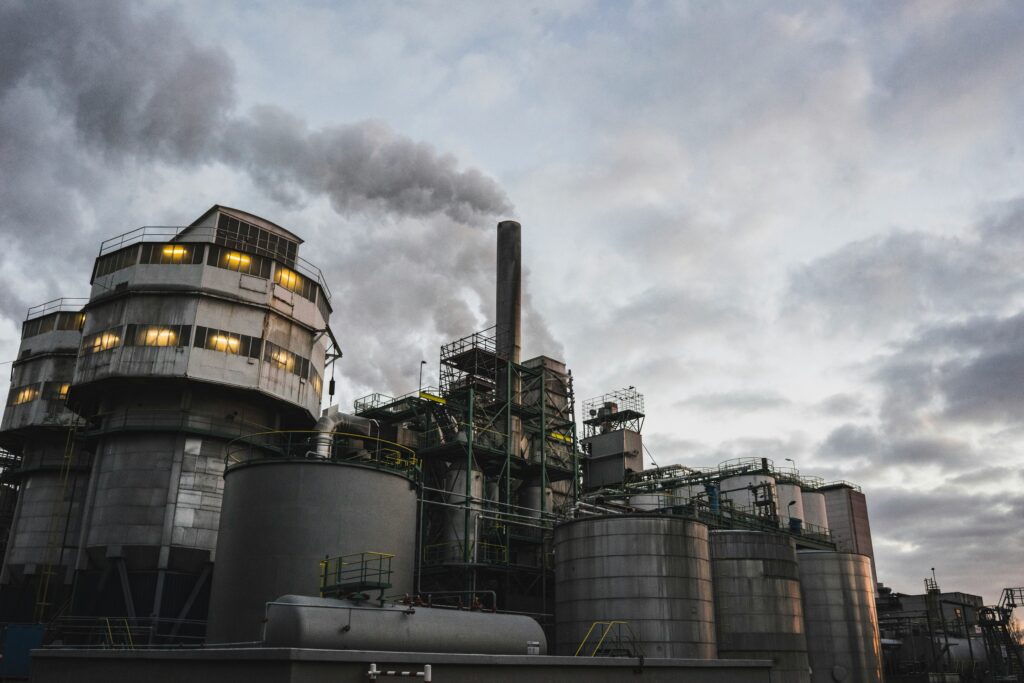
Under the EU emissions trading system, power producers and other covered industries must surrender allowances for their greenhouse gas emissions. The overall supply of permits falls over time, encouraging companies to invest in cleaner production. Some industrial installations receive free allowances to reduce the risk of production moving abroad.
If we fail today, we risk losing some of our industries and jobs.
— MEP Jüri Ratas (EPP/EST)
The Commission’s July proposal would adapt the system to the EU’s 2040 climate target. It addresses how quickly the emissions cap declines, the future of free allowances and how to account for carbon removed from the atmosphere and permanently stored.
For manufacturers, those choices affect how many permits they must buy and when investment in cleaner equipment becomes necessary. For the EU, they determine how the carbon market delivers emissions cuts while addressing concerns about industrial competitiveness. Thursday’s postponement leaves the industry committee’s position on that balance unresolved.