Europe prides itself on universal healthcare, yet patients still wait hundreds of days—sometimes even years—for access to new medicines. EU Health Commissioner Olivér Várhelyi is openly warning that without faster approvals, quicker reimbursement decisions and stronger pharmaceutical production in Europe, the continent’s healthcare model will become increasingly difficult to sustain.
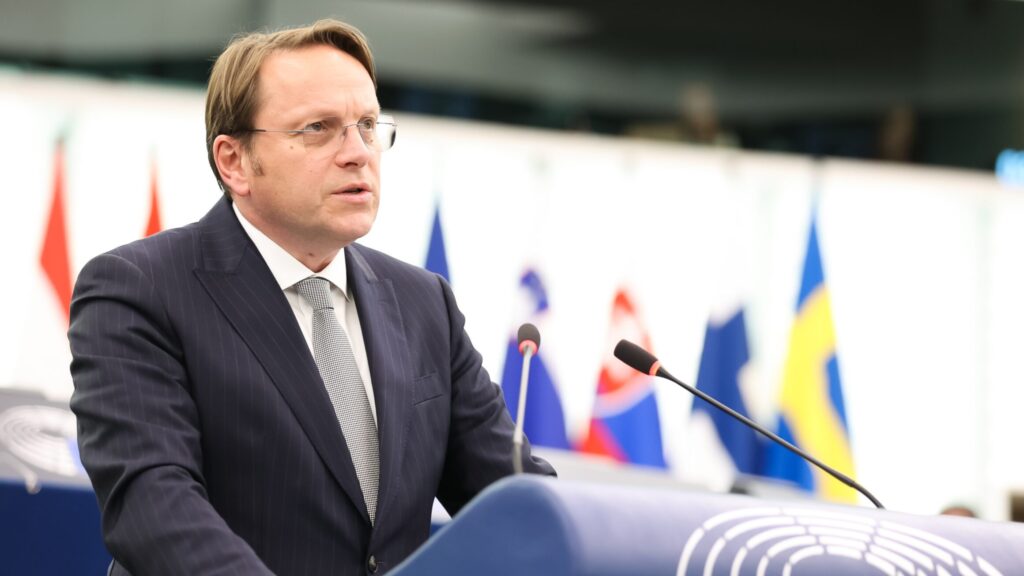
Speaking during a European Parliament plenary debate on European solidarity: key to securing medicine access in a shifting geopolitical era, Mr Várhelyi defended the EU’s expanding health package as a response to mounting pressure on Europe’s healthcare systems. The Commissioner said he’s convinced the right direction has been taken.
“Today, demographic changes and the rise of non-communicable diseases put the EU’s unique universal health coverage under enormous pressure,” the commissioner said.
Addressing this will require a stronger innovation and manufacturing base inside Europe. “Sustaining universal coverage will become increasingly difficult unless we create a more attractive health ecosystem for Europe,” he added.
That, he argued, means ensuring that innovative medicines are “developed, produced and launched in Europe. So that all patients can access new life-saving treatments fast”.
Sustaining universal coverage will become increasingly difficult unless we create a more attractive health ecosystem for Europe. — Olivér Várhelyi, European Commissioner for Health and Animal Welfare
Mr Várhelyi also linked healthcare increasingly to geopolitical and industrial vulnerabilities. He cited “reshoring tendencies” and strains on critical components such as helium used in MRI imaging machines.
“The challenges we face are real,” he told lawmakers, pointing to “fragile supply chains, rising costs and an ageing population that needs more care”.
Push to conclude and implement health files
The package includes the Critical Medicines Act, the revised pharmaceutical legislation, the upcoming Biotech Act, the revision of the medical devices regulation and the Health Technology Assessment Regulation.
Much of the Commissioner’s intervention focused on concluding core files and implement them properly. He pointed to last week’s provisional agreement on the Critical Medicines Act as a key milestone. “We took a very important step forward.”
The legislation aims to strengthen pharmaceutical manufacturing capacity in Europe, diversify sources of medicines and introduce new safeguards in how governments purchase critical drugs.
“Member states will have to promote resilience in medicine supply chains during public procurement,” Mr Várhelyi explained. The goverments will need to favour European production where the EU remains overly dependent on a limited number of countries.
The commissioner also highlighted the revised pharmaceutical legislation agreed at the end of last year, the upcoming Biotech Act and revisions to the medical device framework as central pillars of Europe’s broader health and industrial strategy. “The debate clearly shows that we need to make swift progress on these files,” he said.
Faster reimbursement decisions through HTA
Mr Várhelyi also made a strong push for countries to make greater use of the EU’s Health Technology Assessment Regulation. It became applicable earlier this year and is designed to streamline joint clinical assessments of new medicines and technologies across Europe.
He argued that stronger use of the system could help accelerate national reimbursement decisions. “I count on the member states to use it effectively. So that decisions on pricing and reimbursement of new medicines can be made faster and should have a meaningful effect for the patients as well,” he said. The Commission is ready to support further voluntary cooperation between states “to make better use of this important tool”.
We should continue to strengthen cooperation, particularly on cross-border health threats, innovation and regulatory collaboration. — Olivér Várhelyi, European Commissioner for Health and Animal Welfare
Commissioner referred to the newly launched Health Industry Roundtable. It’s a mechanism to strengthen dialogue with pharmaceutical companies and improve Europe’s competitiveness in life sciences. At the same time, he argued that strengthening Europe’s pharmaceutical capacity should not come at the expense of international cooperation.
“It does not only mean looking inward,” he said. “We should continue to strengthen cooperation, particularly on cross-border health threats, innovation and regulatory collaboration.”
EFPIA warns Europe is falling behind
The debate coincided with new data from the European Federation of Pharmaceutical Industries and Associations (EFPIA). The average time to reimbursement for innovative medicines across Europe has reached 532 days, with major disparities between member states.
Patients in Germany wait on average 56 days for access to new treatments. In Romania, the wait is more than 1,201 days.
EFPIA argues that delays are driven by slow regulatory procedures, fragmented pricing and reimbursement systems, duplicative evidence requirements and health system constraints. The organisation also warned that Europe is increasingly losing ground to the United States on pharmaceutical approvals and launches.
EFPIA is now pushing for faster regulatory procedures, accelerated clinical trial approvals and stronger implementation of Europe’s pharmaceutical and biotech reforms. It wars that Europe risks becoming less attractive for pharmaceutical innovation and investment.