It has been something of a roller-coaster season for the German defence giant. Revenue is surging, order books keep swelling, and new hires count in the thousands. Yet Rheinmetall’s shares have fallen by about a quarter in 2026. The reason sits squarely in the naval yard.
Berlin’s decision to cancel the F126 frigate programme has forced Rheinmetall to cut its full-year sales forecast by €300m. The company now expects revenues of between €13.7bn and €14.2bn, down from a previous range of €14bn to €14.5bn. That is a painful revision for a firm that had staked its new naval ambitions on winning the contract.
Rheinmetall had submitted a €15bn bid for the six-ship project and told investors it was highly confident of becoming lead contractor. It had even bought Naval Vessels Lürssen (NVL) in March, partly to position itself for the takeover. Berlin’s cancellation left that logic exposed.
Pressing on
Chief executive officer Armin Papperger admitted to having been “astonished” when the F126 project was dropped. He nonetheless defended the move into naval business as “the right decision”, and said he still expected the unit to be one of the “future drivers of the business”. The medium- and long-term implications of the loss, the company said, were “currently being analysed”.
The naval division did not stand idle. Over the first half of 2026, it pulled in €334m in sales from existing programmes, including intelligence vessels, Braunschweig-class corvettes, replenishment oilers, and a Bulgarian patrol-vessel programme. Rheinmetall also unveiled a new guided-missile frigate, the GMF 140, pitching it at an unnamed North American customer for air defence, anti-submarine warfare, and long-range strikes.
Still, the frigate cancellation cast a shadow over Mr Papperger’s usually bullish tone. He said he was trying to be “very very conservative” on deals that had not yet been signed, adding: “We are very careful after the F126.” That is a notable shift for a man who built Rheinmetall’s recent reputation on bold commitments.
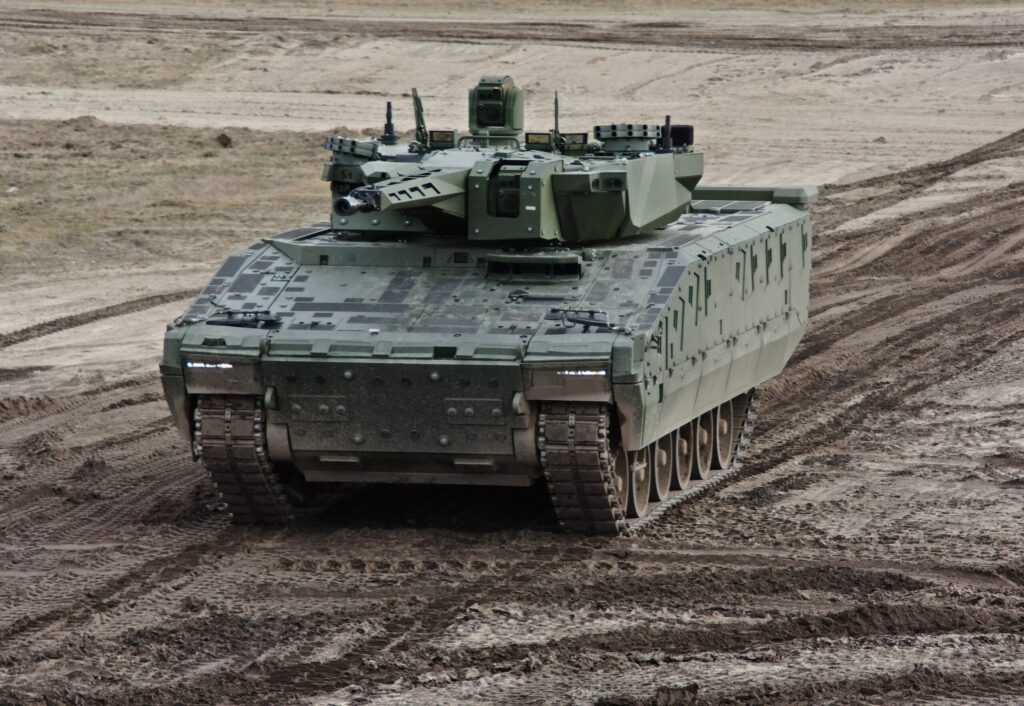
Away from the naval setback, the headline figures are striking. First-half revenue rose 39 per cent to more than €5bn. The operating margin climbed to 15 per cent, up from 12 per cent a year earlier. Vehicle system sales reached €2.43bn in the first half, a jump of 28 per cent on 2025, driven by German tactical vehicle programmes and wheeled armoured vehicles for European customers.
Impressive numbers
Weapons, ammunition, and protection systems drew €1.76bn over the same period, a 33 per cent increase. Air-defence sales rose 62 per cent year on year to €478m, broadly on the back of Skynex and Skyranger systems for European buyers. New nominations to the order book rose 476 per cent to €11.37bn in the second quarter alone.
The company is spending heavily to keep pace. It took delivery of about €6.2bn in supplies during the second quarter, driving operating free cash flow to negative €1.33bn. “We need these goods in our stocks, otherwise it’s impossible to grow,” Mr Papperger told analysts.
The factory expansion is extensive. An explosives plant in Várpalota is due for completion in 2027. A new powder plant in Aschau will start production in the third quarter of that year, with capacity for up to 4,500 tons of triple-base powder. Rocket-motor facilities in Burgos and Unterlüß are also in the pipeline, the latter expected in the first quarter of 2027.
Building the arsenal
Mr Papperger said capital expenditure reductions would not slow any of this down. “We reduce CapEx at the moment but not because we reduce the factories,” he said. “The capacities of our production lines are absolutely in line with what we planned.” The company expects capital expenditure to equal about 8 to 9 per cent of sales in 2026.
The biggest near-term prize is the Arminius contract — a deal to supply hundreds of Boxer armoured vehicles to the German armed forces. Mr Papperger described it as “the big elephant in the room” and said the first tranche, including a service contract, would be worth at least €14bn, making it the largest deal in Rheinmetall’s history. He expects to finalise it before the end of the year.
The optimism, however, meets a cluster of external pressures. On 24 July, Beijing placed Rheinmetall on its ‘Unreliable Entities’ export-ban list, alongside 13 other EU firms, in retaliation for the EU’s 21st sanctions package against Russia. The ban cuts direct access to Chinese dual-use components that feed European production lines. These include optics, electronics, and specialised alloys.
Clouds on the horizon
Legal exposure adds to the burden. On 3 June, Russia’s Ministry of Defence filed an arbitration claim in Moscow demanding €47.2m plus interest over a 2014 cancelled training-centre contract. Enforcement outside Russia remains doubtful, but the case ties up legal resources and creates headline risk at a delicate moment for Eastern European tenders.
Yemen-related proceedings add a further layer. The International Criminal Court declined in May 2026 to open a formal war-crimes investigation into European arms suppliers, but NGOs vowed to press national courts, keeping Rheinmetall and its Italian subsidiary RWM Italia in the spotlight. The net effect includes higher legal-reserve provisions and ESG-triggered divestment from several Scandinavian and Dutch pension funds.
I was astonished when the F126 project was dropped. — Armin Papperger, Rheinmetall CEO
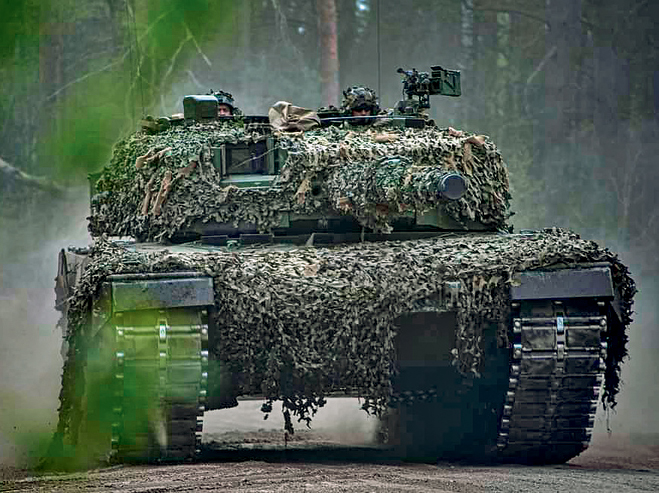
Franco-German rival KNDS announced plans for a dual Frankfurt-Paris IPO in 2026 to fund Leopard 2A8 upgrades and the Main Ground Combat System roadmap. A successful float could give KNDS a market capitalisation approaching €20bn. It narrows Rheinmetall’s equity-funding advantage and enables KNDS to undercut prices in Eastern European tank competitions. All this just as Rheinmetall pushes its KF51 Panther demonstrator.
Competition and capital
Supply chains add pressure from another direction. Persistent shortages of NATO-standard 155mm propellant and tungsten are inflating input costs and stretching delivery schedules for artillery-shell ramp-ups promised to Germany and the United Kingdom. Some customers have inserted penalty clauses indexed to delivery delays, squeezing margins on fixed-price contracts.
The security policy situation, Rheinmetall said, “with significantly increased defence budgets in numerous countries ensures demand in the military business”. That is true. But the headwinds across naval, land, air-defence, and ammunition lines blow simultaneously. The company has to manage legal exposure, a hostile Beijing, and a newly capitalised rival. Turning the demand into dependable profit may be a harder task than the order book alone suggests.