A cheap parcel arriving from China may soon face a very different customs regime. The EU has formally created a central authority in Lille that will coordinate customs risks across the bloc, while online marketplaces will take greater responsibility for the goods they sell to European consumers.
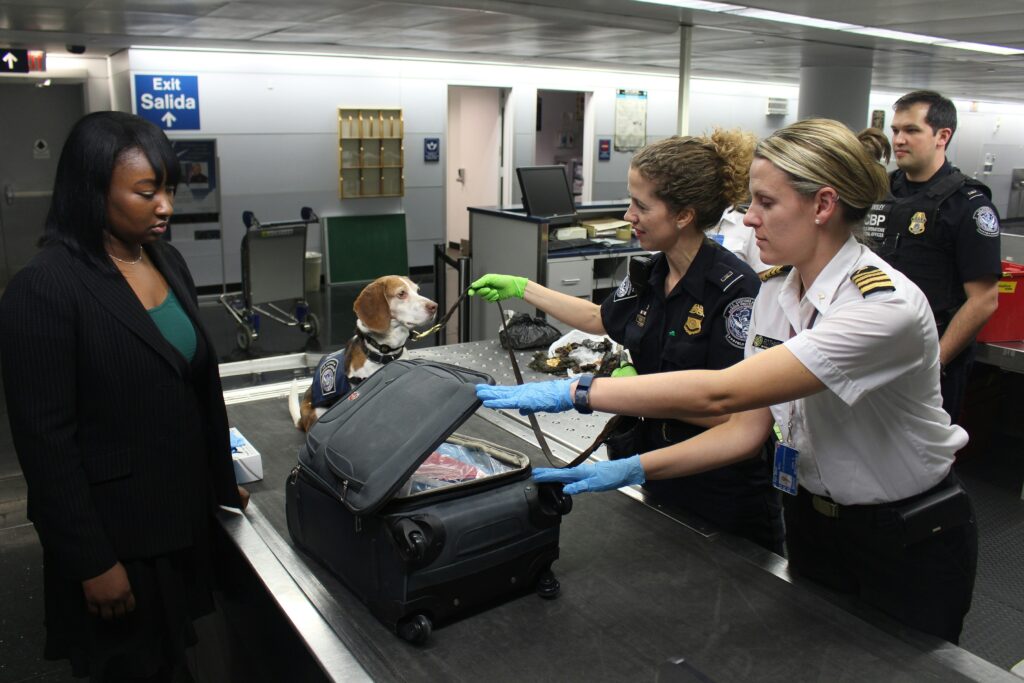
The authority came into existence when the EU Customs Reform entered into force on Sunday. However, it will only begin operating in 2027 and gradually expand to approximately 250 staff members. Customs officers in individual countries will continue inspecting shipments. The Lille authority will instead coordinate risks across the bloc, allowing information about a suspicious seller or dangerous product detected in one country to reach authorities elsewhere.
“The Customs Reform is therefore not simply a technical update – it is a strategic imperative to safeguard our Single Market, strengthen Europe’s competitiveness and economic security, and better protect our citizens,” Trade Commissioner Maroš Šefčovič said.
The current system relies on 27 national customs administrations and more than 100 separate IT systems. This fragmentation can create enforcement gaps and make it harder to track risks across borders.
Unsafe parcels become the platform’s problem
The reform also shifts more responsibility for imported goods onto online marketplaces selling to European consumers. Under the new rules, authorities will be able to pursue the marketplace rather than trying to reach an overseas seller when, for example, a toy, electrical appliance or cosmetic product fails to meet EU requirements.
The Customs Reform is therefore not simply a technical update – it is a strategic imperative to safeguard our Single Market.
— Maroš Šefčovič, Commissioner for Trade and Economic Security
At the centre of the new system will be a shared EU Customs Data Hub, which will collect information from businesses and provide customs authorities with continuously updated data. E-commerce companies must begin using it in July 2028. For all traders, it will become compulsory in 2034.
Tighter controls could mean higher prices
Greater protection may come with higher costs. As EU Perspectives previously reported, platforms must pay a handling fee on individual items shipped directly from outside the EU from November. Temu, Shein and others could pass it to shoppers through higher prices or delivery charges.
For customers, the bargain is straightforward: tighter checks and clearer responsibility for unsafe products, but potentially higher prices for ultra-cheap goods. The full effect will emerge gradually as the Lille authority recruits staff and the shared customs platform begins processing Europe’s billions of annual imports.
The aim is to give national customs authorities a common picture of the risks facing the EU’s external borders and make it harder for unsafe products or non-compliant sellers to slip through gaps between national systems.