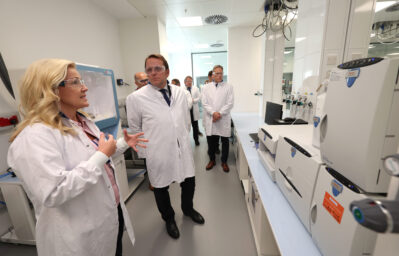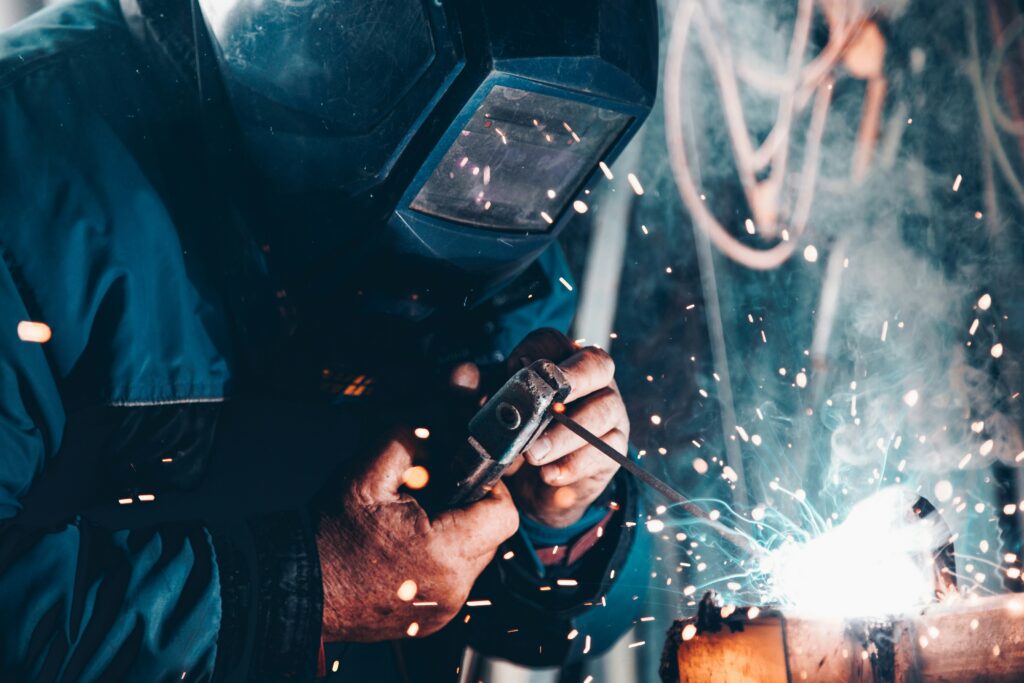
Some of the most dangerous things at work are the ones workers cannot see. Welding fumes and chemicals used in batteries, textiles and industry can cause serious illness years later, putting new scrutiny on how much exposure is safe.
New workplace limits on welding fumes and other hazardous substances are expected to prevent more than 20,000 cancer cases across the EU over the next 40 years. The European Parliament’s employment committee backed the measures on Wednesday, clearing the way for a final vote in October.
The rules would tighten protection against cobalt and its inorganic compounds, polycyclic aromatic hydrocarbons and 1,4-dioxane. Welding fumes would also be formally added to the EU list of cancer-causing substances and processes. Parliament estimates that exposure to welding fumes currently causes approximately 900 cases of lung cancer each year.
Safer exposure limits to chemicals are urgently needed and the protections approved today will undoubtedly save thousands of lives. — Giulio Romani, ETUC Confederal Secretary
Cobalt is widely used in batteries, magnets and hard metals, while polycyclic aromatic hydrocarbons can occur in steel production. Workers may encounter 1,4-dioxane in chemical and textile manufacturing. Depending on the substance, prolonged exposure has been linked to cancer, respiratory disease, organ damage and risks to fertility.
Final vote comes in October
The measures form the sixth revision of the EU’s Carcinogens, Mutagens and Reprotoxic Substances Directive, which establishes minimum protection against dangerous workplace exposure. The Commission proposed the revision in July 2025, before Parliament and EU governments reached a provisional agreement in June.
Following the committee’s endorsement, the legislation requires final approval from the full Parliament, with a vote expected on 1–2 October. EU governments would then have to incorporate the requirements into national law.
The European Trade Union Confederation welcomed the tighter limits but criticised the absence of a clear definition of hazardous medicinal products. It said stronger provisions were needed to protect nurses and other healthcare workers handling cancer treatments and similarly dangerous drugs.
“Safer exposure limits to chemicals are urgently needed and the protections approved today will undoubtedly save thousands of lives,” ETUC Confederal Secretary Giulio Romani said. The organisation estimates that work-related cancer causes more than 100,000 deaths in the EU annually. Mr Romani also warned that the Commission’s separate Chemicals Omnibus could weaken other protections.