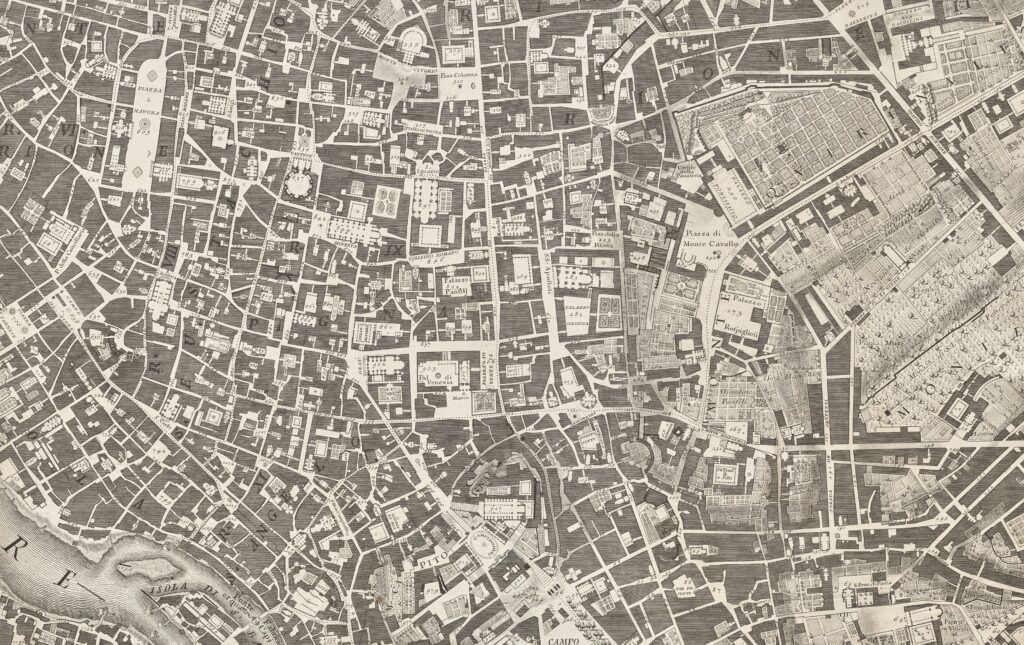
Maps of rivers, flood zones, and protected areas should become easier to share. On Tuesday, European lawmakers set out how they want to slim down the EU’s rules on environmental data. Less paperwork is the goal. But a map from one country must still work with data from another.
Under the proposal, public authorities would report less. Anyone looking for environmental datasets would find them on the EU’s main data portal rather than on a separate website. The European Parliament approved its negotiating position in Strasbourg by 515 votes in favour to 108 against, with 35 abstentions.
The vote covers only one part of the environmental omnibus, a broader package of proposed changes to EU legislation. Parliament and EU governments must still agree the final rules.
Emma Wiesner (Renew/SWE), who steered the proposal through Parliament, linked it to industry’s shift away from fossil fuels. “We are addicted to fossil fuels,” she said when presenting it. “To do so, our industry needs reliable information and faster permits.”
What simpler environmental data means
The proposal concerns information linked to geographical locations. That includes maps of protected areas, transport networks, rivers, and natural risk zones, as well as records on land use, habitats, and environmental monitoring.
The EU’s existing framework, the INSPIRE directive, dates from 2007. It sets rules for making this information available and allowing authorities to combine it. Data from different countries should fit together without extensive technical adjustments.
The European Commission proposed removing several technical and data-sharing requirements because newer EU legislation already covers some of those obligations. It also wants to cut overlapping reporting duties and replace the separate INSPIRE portal with access through the main European data portal.
This proposal is simplification when simplification is at its best. — Emma Wiesner, ENVI proposal Rapporteur
But Parliament’s environment committee favoured keeping some common requirements within the environmental legislation. Its September report, led by Ms Wiesner, sought to simplify those rules while preserving the ability to compare and combine information across the EU. She tied better information to faster projects. “It shouldn’t take nine years to get a permit to build a windmill,” she said. “This proposal is simplification when simplification is at its best.”
Common ground with governments
EU governments adopted their negotiating position in June. They also restored requirements for sharing data between public authorities and minimum standards allowing different systems to work together.
That brings the two sides closer. Both support reducing administrative burdens, while retaining rules intended to keep environmental information useful. Governments clarified when authorities could restrict public access for reasons such as public security.
The wider environmental omnibus includes separate proposals on industrial emissions, waste, batteries, and environmental assessments. Tuesday’s decision concerns the data-sharing rules alone. The next stage is agreement on which requirements can be removed and which must remain.