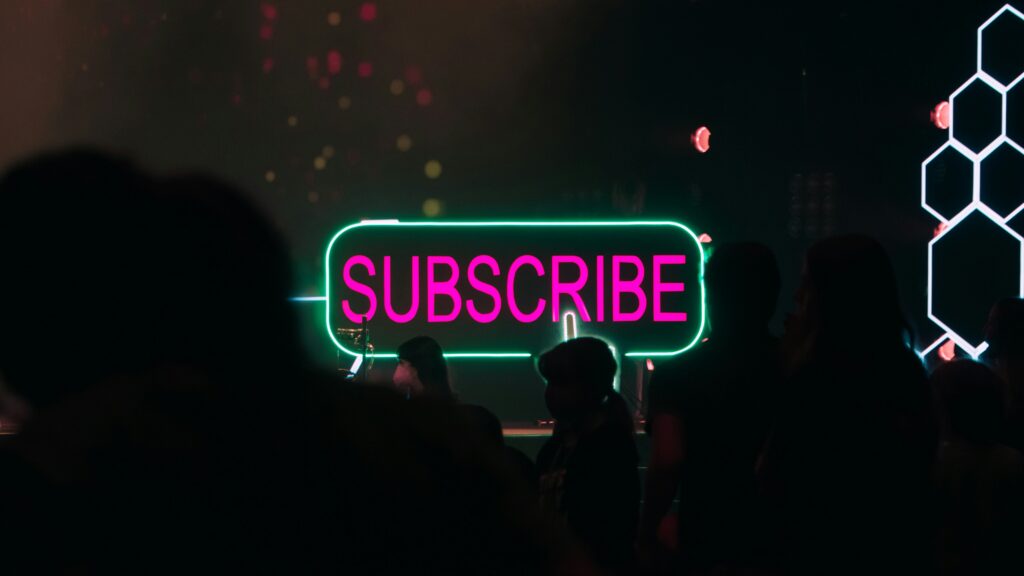
Signing up takes a few clicks. Cancelling can mean searching through menus, rejecting repeated offers and struggling to reach anyone who can help. The European Commission wants to make subscriptions easier to leave under new proposals targeting online practices that pressure consumers into spending.
“They sign up for a subscription but find it deliberately difficult to cancel,” Consumer Protection Commissioner Michael McGrath said as he presented the Digital Fairness Act on Wednesday. He said harmful online commercial practices cost consumers €10.3bn a year, from misleading prices to manipulative sales tactics.
The package would also give people more control over endless scrolling, require clearer influencer advertising and strengthen enforcement against companies operating across borders. The proposals still need approval from the European Parliament and member states.
A free trial would no longer silently become a bill
Under the proposed rules, businesses would have to remind customers before a free trial ends and obtain their explicit agreement before converting it into a paid contract. Without that agreement, the customer would not be bound by the subscription. Separate requirements would introduce reminders before automatic renewals.
You might be interested

Businesses offering contracts online would also have to provide a clearly labelled cancellation function. Customers would be able to submit their decision online and receive confirmation, including when the contract ends. The proposal would prohibit making the steps needed to refuse or change a choice unnecessarily complicated or time-consuming.
When shopping online, we have all experienced fake urgency tactics, such as claims that only five items remain. — Henna Virkkunen, Commission Executive Vice-President
Getting help would become easier too. Customers using online support after signing a contract would have the right to request a human response. “They will be able to get meaningful assistance and reach a human being in customer service and not be left with a chatbot,” Mr McGrath said.
“When shopping online, we have all experienced fake urgency tactics, such as claims that only five items remain,” Commission Executive Vice-President Henna Virkkunen said. The proposal would explicitly prohibit false scarcity claims.
People waiting in virtual queues for concert tickets would also see prices updated in real time and the maximum price they could face. Companies could still vary prices, but would have to make those changes clear while customers wait.
More control over scrolling
Consumers would gain tools to switch off autoplay and endless scrolling, while influencers would have to label advertising clearly. The draft would also prohibit offering children paid loot boxes and pay-to-win or pay-to-progress mechanisms. A separate proposal would give the Commission powers to investigate major cross-border infringements and impose fines of up to six per cent of a company’s worldwide annual turnover.
Catriona Meehan, director of public affairs at travel platform Omio Group, questioned whether more rules would resolve enforcement problems. “For businesses operating across Europe, overlapping requirements create costs and uncertainty. More rules do not automatically mean better protection,” she said.
Mr McGrath argued that the changes would help responsible businesses compete fairly. “We are not making it harder to do business. We are making it harder to do business unfairly,” he said. The draft allows 12 months between the act entering into force and its application, but lawmakers must first agree to the final rules.