A decade after the migration crisis reshaped European politics, Brussels is once again asking how ready it is for a possible large-scale refugee influx. The answer is a bit more complicated than lawmakers might hope.
The wars in Sudan and Iran have renewed concerns over potential refugee movements towards Europe. Although the overwhelming majority of displaced people remain in neighbouring countries, EU institutions are increasingly examining how the bloc would respond if conflicts escalated further.
A new briefing by the European Parliamentary Research Service (EPRS) argues that the European Union is significantly better prepared than it was in 2015, following years of investment in border management, asylum reforms and coordination between member states. But it also warns that the bloc’s migration system remains under considerable strain and could struggle if another major displacement crisis unfolds.
The report highlights Iran as a particularly significant risk. The EU Agency for Asylum has warned that even a partial destabilisation of the country could trigger refugee movements of “unprecedented magnitude”. With a population of around 90 million and millions of Afghan refugees already living inside its borders, Iran presents a potential displacement challenge on a scale Europe has not previously encountered.
Lessons from 2015
“The Iran conflict and the civil war in Sudan have sparked fears that the EU could face a repeat of the 2015 ‘migration crisis’,” the report states.
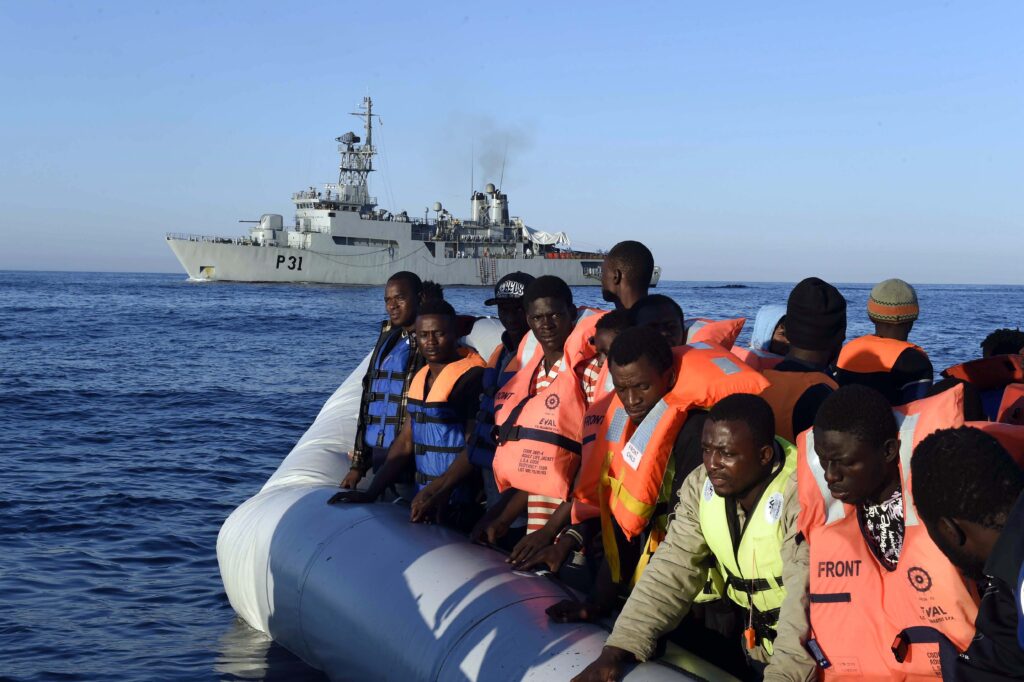
Long considered one of the defining moments in modern European politics, the crisis of 2015 saw more than one million asylum seekers arriving in the EU, overwhelming reception systems, exposing deep political divisions between member states and accelerating the rise of anti-immigration parties across Europe.
Since then, the EU has spent years overhauling its migration policy.
The European Border and Coast Guard Agency, Frontex, has expanded dramatically, with its annual budget increasing almost eightfold to more than €1 billion. After years of negotiations, the EU also adopted the new Migration and Asylum Pact, while member states have strengthened border controls, expanded reception capacity and developed migration partnerships with countries outside the bloc.
On paper, Europe is considerably better prepared than it was a decade ago. The report cautions, however, that greater preparedness does not necessarily translate into greater resilience.
Pressure already builds
One of the briefing’s main findings is that many national asylum systems are already operating close to their limits.
Pending asylum applications across the EU exceeded 1.2 million by the end of 2025, while reception facilities were, on average, 81% occupied by mid-2025. In several member states, housing shortages and administrative backlogs have become persistent challenges.
Countries along the EU’s external borders remain particularly exposed. Italy and Spain continue to struggle with growing asylum backlogs, while Germany and France still receive the largest numbers of applicants.
The report suggests that existing capacity could quickly come under pressure if refugee arrivals increased sharply.
External partnerships face their biggest test
A cornerstone of the EU’s current migration strategy is preventing irregular migration before it reaches European territory. Partnerships with countries including Turkey and Tunisia have become central to that approach. EU officials argue these agreements have helped reduce irregular crossings and improve migration management along key routes, while critics question both their effectiveness and their human-rights implications.
According to the EPRS, assessing the success of such partnerships remains difficult because migration flows are shaped by a combination of conflict, economic conditions, domestic politics and environmental pressures.
If instability in Iran or Sudan were to deepen, those arrangements could face their most significant test to date.
Political unity remains the biggest challenge
The report points to political cooperation, rather than operational capacity alone, as the EU’s greatest vulnerability.
The new Crisis and Force Majeure Regulation, which entered into force in July 2026 as part of the Migration and Asylum Pact, is designed to give governments additional flexibility during periods of exceptional migratory pressure. Whether member states will be willing to share responsibility in a future crisis remains uncertain.
Past attempts to introduce solidarity mechanisms have repeatedly proved politically contentious, particularly when governments disagreed over the distribution of asylum seekers.
As conflicts continue in Sudan and tensions remain high across the Middle East, the coming years may show whether Europe’s migration reforms are sufficient—or whether another major displacement crisis would once again expose the limits of European unity.