The EU has sanctioned six Russian scientists and officials over the toxin linked to Alexei Navalny’s death. The Council adopted the measures on 3 July, more than two years after the opposition leader died in a Russian penal colony. All six men and women worked at institutions now tied to the frog poison that killed him.
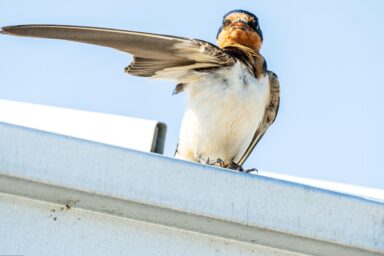
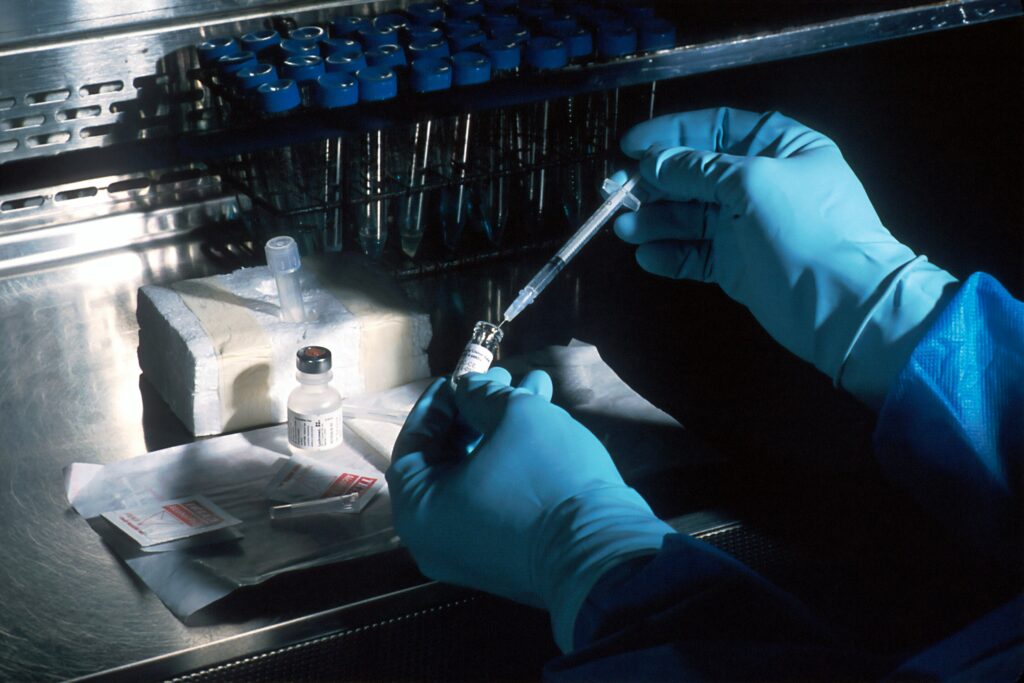
Epibatidine does not occur naturally in Russia. It comes from the skin of a small, brightly coloured frog native to South America, a species no researcher stumbles across by accident. That, for EU investigators, is precisely the point: someone had to study it, synthesise it and deliver it. The Council’s latest sanctions target the six people it believes did exactly that.
The toxin turned up in samples taken from Navalny’s body after his death, leading the Council to conclude that poisoning was highly likely the cause. Those listed now face an EU-wide asset freeze and a travel ban, bringing the bloc’s chemical weapons sanctions list to 31 individuals and six entities.
One laboratory, one signature
Almost every name on the list leads back to the same address. Igor Babkin heads a laboratory at the Signal Scientific Centre, known as SC Signal, and previously worked inside the chemical, radiological and biological defence structures of Russia’s ministry of defence. Sergey Galan, Olga Yudina and Aleksey Aksyonov are colleagues of his there, all named for the same body of research: papers on the synthesis of epibatidine, published under the centre’s name.
The Council draws a direct line between several of them and Artur Zhirov, SC Signal’s director, treating the institution less as a backdrop than as the organising thread of the case. Two further figures fill out the picture from elsewhere in the system, outside the centre itself.
Irina Derevyagina, a chemical research analyst at Russia’s State Research Institute of Organic Chemistry and Technology, wrote two papers on epibatidine’s clinical effects and testing. The Council calls the institute central to the country’s chemical weapons programme. Mikhail Gutsalyuk, a colonel who heads a department at the Military Academy of Radiological, Chemical and Biological Defence, carried out related research alongside SC Signal’s chemists. Taken together, the six names describe less a lone poisoning than a small, specialised research effort with the toxin as its shared subject.
A denial, and a familiar pattern
This is not the first time Brussels has traced a Kremlin poisoning back to a state laboratory. In June, the Council already sanctioned 15 people over Navalny’s persecution and death. Navalny survived an earlier attempt in August 2020, when he was exposed to a Novichok-group nerve agent, a chemical weapon with its own long history of use against Russian dissidents abroad. Russian authorities have always offered a different explanation for his death, attributing it to illness and an irregular heartbeat.
Moscow has dismissed the epibatidine findings just as firmly. Asked to respond, the Russian embassy in London questioned “what kind of person would believe this nonsense about a frog.”
Now there is proof.
— Yulia Navalnaya, widow of Alexei Navalny
For Navalny’s family, the sanctions land differently. His widow, Yulia Navalnaya, wrote on social media that after years of suspicion, “now there is proof.”
The legal framework behind Tuesday’s decision dates back to October 2018 and currently runs until October 2026, when the Council will have to decide whether to renew it. Officials say they will keep watching the case, and that more names could still be added.