Europe knows what ails its rivers, wetlands, and forests. It has put a €65bn yearly price tag on fixing it. This week’s deadline for governments to submit their restoration plans came and went. Twenty out of EU’s 27 member states missed it. Brussels promises patience. It is also fending off accusations of being behind schedule itself.
Under the EU’s Nature Restoration Law, every member state had until 1 September to hand in a draft plan. The plan must show how a country will bring degraded land and sea back to health. According to figures raised by journalists at the European Commission’s daily briefing, 20 of the 27 had not done so by the deadline. More than 80 per cent of European habitats are currently in poor condition. The law is meant to fix at least a fifth of them by 2030.
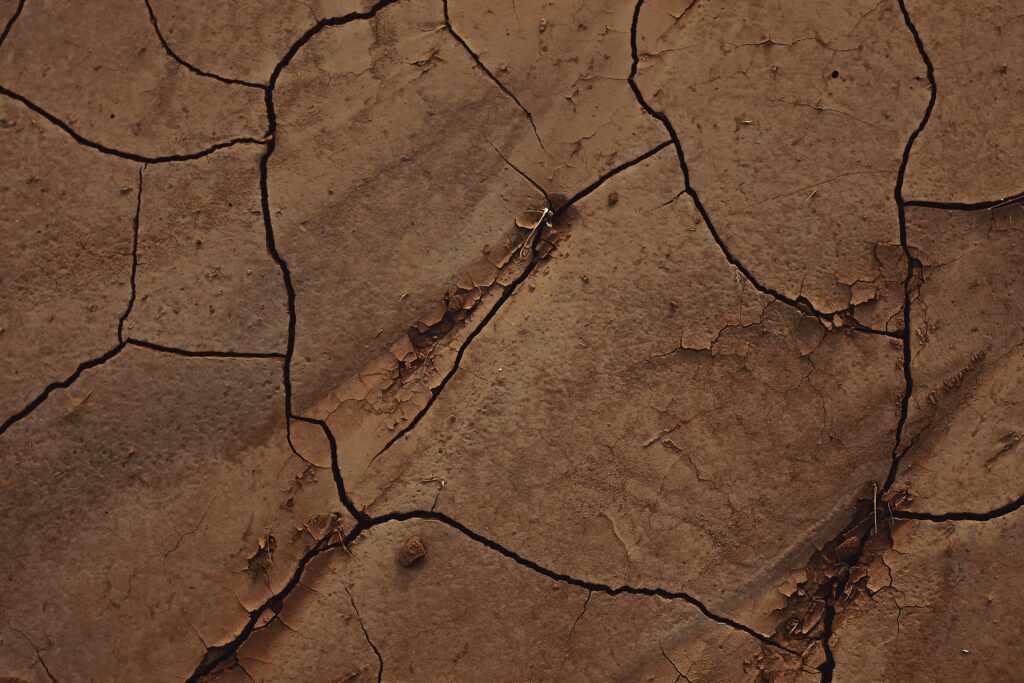
The stakes are not abstract. This summer, record-low water levels on the Danube forced Hungary and Romania to shut down part of their nuclear power plants. It was a direct consequence of drying rivers and shrinking wetlands. Restoring those ecosystems is exactly what the missing plans are supposed to map out.
A price tag on broken nature
The Danube episode is just one symptom of a wider problem. Europe’s nature is in poor condition, and fixing it will cost far more than currently planned. Researchers at the EU biodiversity partnership Biodiversa+ have put a number on the scale of the task. They estimate €65bn a year in additional investment is needed to meet the EU’s nature restoration targets. The European Commission counters with an incentive. It says every euro spent on restoration returns between four and 38 euros in benefits.
The money is not just an environmental line item. According to Biodiversa+, 72 per cent of EU companies are tied to sectors that depend on nature. So are nearly three-quarters of eurozone bank loans. A degraded landscape, in other words, is a balance-sheet risk.
You might be interested
Where that money should come from is contested. The Commission wants to fold national restoration plans into the next EU budget. It plans to embed them in a spending target that reserves 35 per cent of funds for climate and environment. Spain has warned that merging LIFE, the bloc’s flagship green fund, into a broader Competitiveness Fund could weaken it. Madrid also says proposed funding levels may fall short of the current €5.4bn.
At the briefing, the Commission faced a more pointed accusation from a journalist. Its own report on funding gaps, due under the law, is itself late. Commission Spokesperson Anna-Kaisa Itkonen pushed back sharply. “Our goal is never to infringe member states on anything,” she said. “Our goal is to ensure that our member states are able to put in place the policies that we propose.” A journalist pressed her on whether Brussels would take a tougher line if the missing plans kept piling up. Ms Itkonen said she “would not lambast” member states before seeing the quality and extent of what they submit.
Patience for now, pressure ahead
The Commission’s tone this week was conciliatory. Ms Itkonen pointed out that many national administrations are only just back from the summer break. She said it was too early to judge the quality of the plans before more of them arrive.
If we miss the deadline for nature restoration, we are not just failing a regulation, we are fuelling the next heatwaves and floods.
— MEP Terry Reintke (Greens/EFA/DEU)
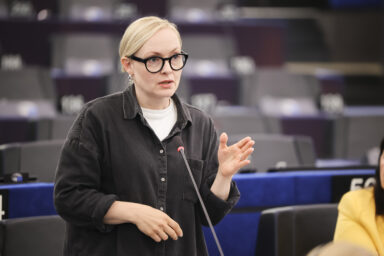
Not everyone in the Parliament shares that patience. Green lawmakers Terry Reintke (Greens/EFA/DEU) and Jutta Paulus (Greens/EFA/DEU) have both pushed governments to move faster. They frame the plans as inseparable from the EU’s next long-term budget, currently under negotiation. “If we miss the deadline for nature restoration, we are not just failing a regulation, we are fuelling the next heatwaves and floods,” Reintke said.
For now, the process has room to run. Final plans are not due until September 2027. A first review is scheduled for 2032. But the choices made in the coming months will matter, campaigners argue. They will shape how well Europe copes with the droughts, floods, and heatwaves still to come.