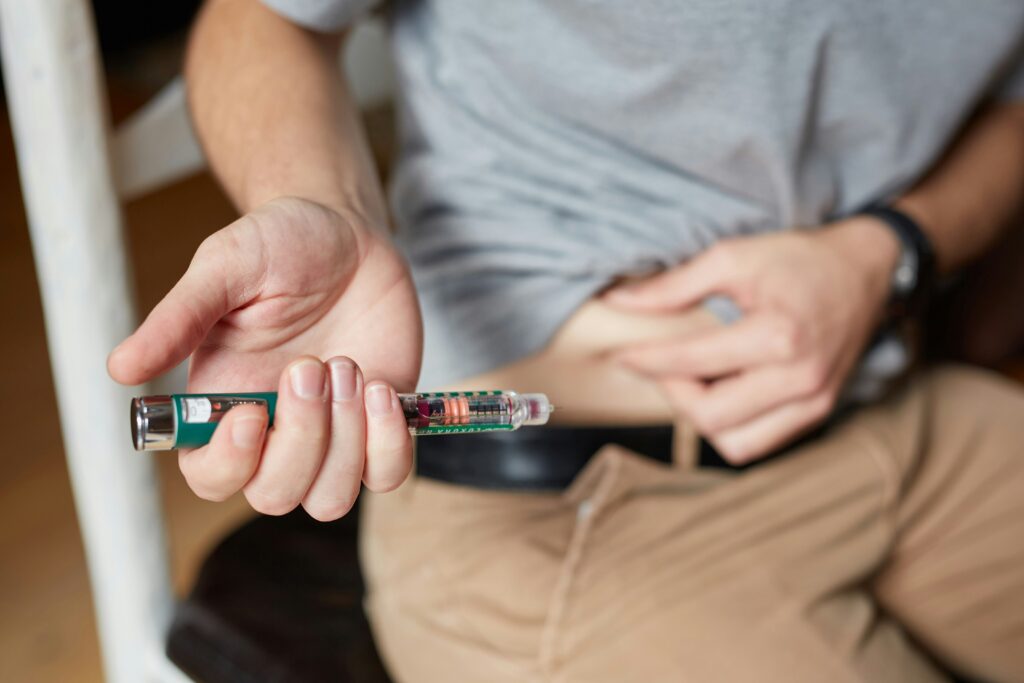
Sanofi was ready to close one of Europe’s last factories making insulin. A €400m rescue package now keeps its Frankfurt plant running, protecting a medicine millions of diabetics use every day. Without it, patients across the continent would have depended on insulin made outside Europe.
Sanofi was prepared to close its Frankfurt-Höchst insulin plant if Germany could not secure the neccessary state aid. Brussels has now given Berlin the green light to provide €400m to keep that production running, closing a case that has been years in the making.
Had the Commission said no and Sanofi shut its German site altogether, the entire European Economic Area would be left with a single remaining insulin production plant. That would mean pushing patients who rely on the drug towards supplies made outside Europe.
Two years in the making
Sanofi first confirmed the project in August 2024, promising to invest €1.3bn in a new, highly automated insulin plant covering roughly 36,000 square metres, about the size of five football pitches, at its existing BioCampus in Frankfurt-Höchst. The new line was meant to replace ageing production and come online in 2029.
The company had reportedly considered moving the work to France instead. According to German media citing government sources, Berlin, the Hesse state government and the city of Frankfurt offered financial backing to keep Sanofi in Germany, contingent from the start on the European Commission’s approval.
Under today’s decision, Sanofi has firm deadlines to meet. It must have the new factory running by 31 December 2032. From then on it must produce at least 1.1 tonnes of insulins a year and keep a tonne of insulin active ingredients in stock. Both obligations are effective until 2042.
Sanofi must also prioritise the EEA market if insulin ever runs short. The Commission noted that such shortages have grown more frequent as manufacturers divert production capacity towards GLP-1 weight-loss drugs, the class that includes Ozempic and Wegovy, leaving less room on the line for older, less profitable products like insulin.
A piece of a bigger puzzle
The size of the aid is what pushed the case to Brussels for scrutiny in the first place. Under SGEI rules that the Commission revised on 19 December 2025, governments can compensate companies for public service obligations securing critical medicines without notifying the Commission at all, but only up to €20m a year. Germany’s package for Sanofi runs far above that threshold, which is why it needed the full assessment that concluded today.
The case fits into a wider push to wean the EU off imported medicines. A 2021 Commission study found that 80 per cent of the active pharmaceutical ingredients the EU imports come from just five countries, with China alone supplying 45 per cent, a dependency that shortages during the Covid-19 pandemic exposed as a liability.
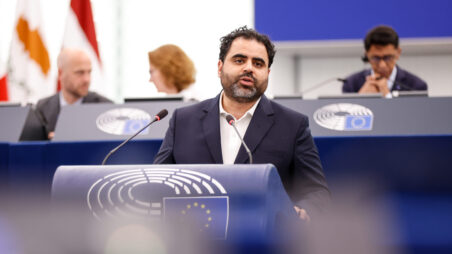
We are creating the right conditions to support reliable access to essential medicines, such as insulins, and greater resilience of our health systems. — Teresa Ribera, Executive Vice-President for a Clean, Just and Competitive Transition
“We are creating the right conditions to support reliable access to essential medicines, such as insulins, and greater resilience of our health systems,” Ms Ribera said, tying today’s decision explicitly to that wider effort.
Alongside its original proposal for a Critical Medicines Act in March 2025, the Commission issued separate guidance on how state aid rules should apply to exactly this kind of case. Council and Parliament reached a political deal on the act on 11 May 2026, though it is not yet formally adopted, leaving cases like Sanofi’s to be judged under existing rules for now.
More than 32 million people in the EU live with diabetes, with millions more undiagnosed. For many of them, the Frankfurt decision is less about state aid law than about whether the medicine they need every day keeps coming from somewhere close to home.