EU countries plan to speed up the release of 42.6m barrels of emergency oil stocks, as households face another expensive winter. Ministers also backed temporary support for people struggling with energy bills. Talks on reforms aimed at lowering electricity costs will continue into December.
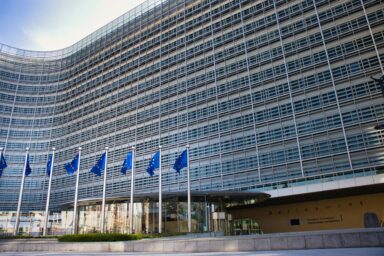
“If you are not able to pay your gas bill, it doesn’t really matter how much gas is out there,” Commissioner for Energy and Housing Dan Jørgensen said after the 29 October Energy Council in Luxembourg. He said the EU did not expect a security-of-supply crisis, but high gas and oil prices required action to help households and businesses.
Faster reserve releases and targeted winter support
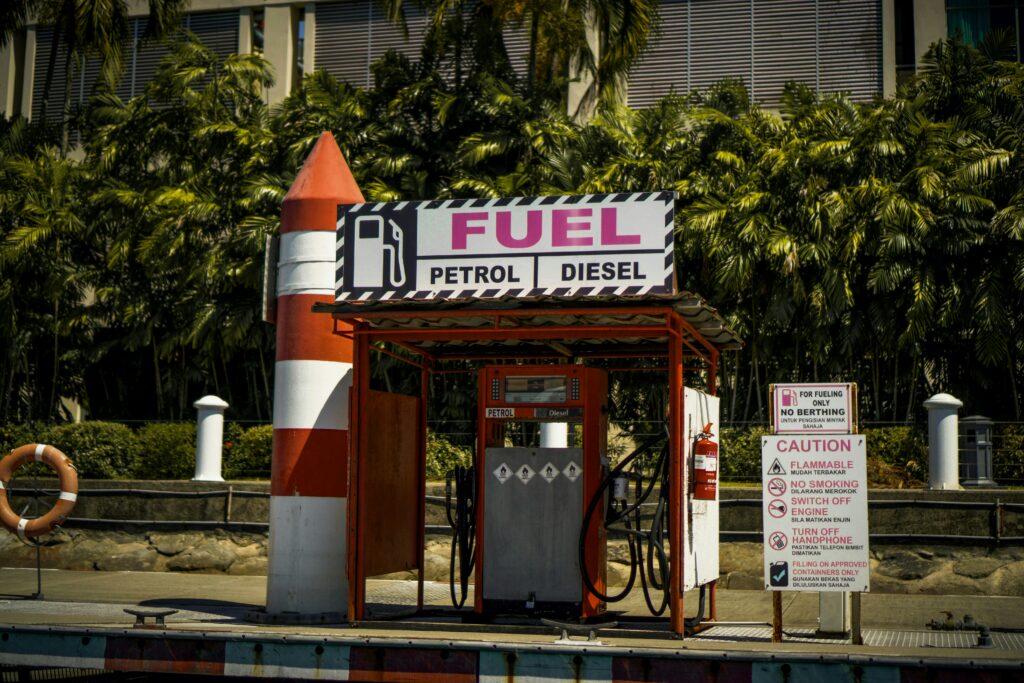
“EU member states have reaffirmed their commitment to an accelerated release of 42.6 million barrels from strategic reserves over the next months, and around half of this will be diesel,” Mr Jørgensen said. The announcement concerns faster delivery of an existing commitment. It aims to stabilise fuel markets, but ministers announced no guaranteed reduction in pump prices.
The EU and member states don’t have a magic wand to make the price increases, you know, go away.
— Darragh O’Brien, Irish Energy Minister
Governments can also subsidise fossil fuels to help struggling consumers, provided support is targeted and temporary. Th measures build on the Commission’s AccelerateEU plan, published in April, which warned that households could face higher bills when existing supply contracts expire. Any assistance will depend on national decisions; Thursday’s meeting announced no uniform EU payment.
Mr Jørgensen urged governments to support heat pumps, electric vehicles, and other measures that reduce dependence on imported fuels. Before the meeting, Irish Energy Minister Darragh O’Brien acknowledged the limits of immediate relief: “The EU and member states don’t have a magic wand to make the price increases, you know, go away.”
Electricity-bill reform still under negotiation
Ministers also debated network charges, which pay for the operation, maintenance and expansion of electric grids. The Commission’s July proposal aims to reduce system costs and encourage consumption when demand on the grid is lower. These charges have represented, on average, between 24% and 29% of household electricity bills in recent years.
Thursday’s discussion did not settle the legislation. “Our ambition, as I said, is to reach a general approach on network charges at the December Energy Council,” Mr O’Brien said. Tax provisions remain contentious, with Belgium raising reservations before the meeting. A Council negotiating position would still leave further negotiations with Parliament.
The Commission will present its proposed energy framework beyond 2030 in the first quarter of 2027, Mr O’Brien said. Ministers also discussed investment roadmaps to give investors clearer information about national priorities. Those measures concern future investment; immediate winter relief still rests on reserve releases and national support.