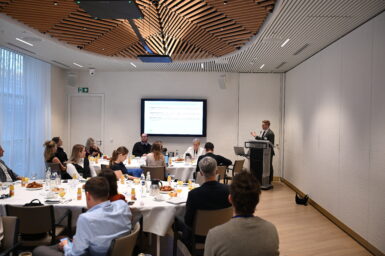
Nobody can be sure what the new Common Agriculture Policy will entail, an EU Perspectives roundtable heard. The clock is ticking as multiple negotiations are taking place to shape the next seven years of the cornerstone EU policy.
Lawmakers and farming representatives warned at an EU Perspectives roundtable that the European Union risks running out of time to agree its next agricultural policy. It is not only the Brussels political calendar that is on the line. Farmers have to select the crops and decide how much investment and extension to make several months before the beginning of a new farming year.
Farmers need answers before planting begins
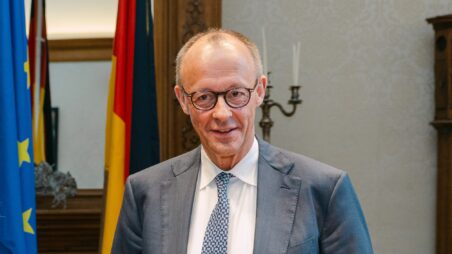
Thomas Waitz, who negotiates the CAP architecture on behalf of the Greens-EFA parliamentary group, said that the EU would not be able to make the required decisions in time. “If we come 15th of December telling them what the rules are from 1st of January, we will have a bit of a revolution on the street, and rightly so,” he said. As growers plant crops, they must be aware of the guidelines for the next year by the end of June or at least by August, Mr Waitz stressed.
Uncertainty for farmers can have an impact on decisions made well before crops are ready to harvest. A producer who wants to sow winter wheat for example must also take into account the expected costs, available support and the supporting conditions.
You might be interested
The last minute changes may leave farmers having to make financial decisions with no knowledge of what support will be available. Mr Waitz anticipates that work in the Parliamentary Agriculture Committee will continue in the initial stages of 2027. He said a committee vote might only take place as late as February. That would leave little room for any additional negotiations between Parliament, EU governments and the Commission.

Why the new CAP is proving difficult
The European Commission proposal would alter the organisation of agricultural funding in the EU next long term budget. There are two parts to the current CAP. One offers the income support and other direct aid to farmers. The other is for the development of rural areas, investment and environmental projects.
The Commission would like to link agricultural spending to a broader national and regional partnership plans. Those advocating for flexibility say that countries must have to adapt in spending. But critics worry that a dedicated budget will not ensure a stable financial situation for agriculture.
If we come 15th of December telling them what the rules are from 1st of January, we will have a bit of a revolution on the street, and rightly so. — MEP Thomas Waitz (Greens-EFA/AUT)
Veronika Vrecionová, chair of the European Parliament’s agriculture committee, said the proposed structure had caused major concern among lawmakers. “We’d like to keep it to this two pillar structure as close as possible,” she added. “We still don’t know exactly all numbers. We don’t know how high will the budget be.”
Ms Vrecionová also questioned whether the Commission had provided enough evidence about the effects of proposed changes to farm subsidies. Parliament is trying to preserve as much of the existing CAP structure as possible.
A transition year may be unavoidable
The possibility of delaying the new CAP has become a central concern. Transition periods have found good use in the past with agricultural reforms. During the transition, the old rules remained in effect while new rules were emerging. But participants cautioned that this may be more challenging under the funding model Commission has proposed.
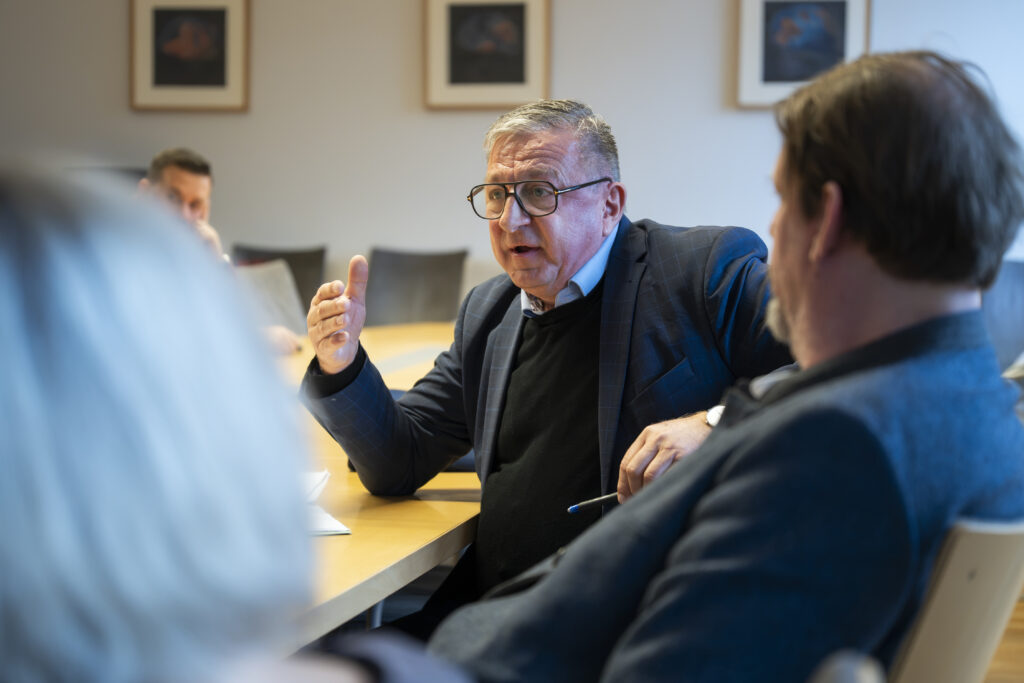
Karl Bauer is the chair of the Common Agricultural Policy Working Party of COPA-COGECA, an interest group which represents European farmers. According to him, the timetable may get challenging, even as Parliament reached an agreement early in 2027. Referring to statements from European Union executives, promising farmers they can count on the EU, he noted that “Counting on Europe starts with legal and financial security.”

The text would still have to pass through the Agriculture Committee vote and wait for approval in the Parliament and the Council. Then, after legal finalisation, national authorities will translate and implement it. This could push negotiations well into 2028, Mr Bauer noted.
He stressed the new system and temporary solutions might have to coexist simultaneously for an uncertain period of time. “The question of the transition period has to feature in each of the upcoming meetings,” he said.
Mr Waitz also urged EU institutions to recognise the increasing probability of transition period and not leave farmers with uncertainty. “It would be fair towards farmers, farmers organisations, but also state institutions, ministries, countries, to be openly saying that there will be a transition period,” he added.
The budget dispute adds another obstacle
Timing goes hand in hand with the money issue. The Commission proposal will dedicate €300bn to farm income, according to the numbers. “The financial commitment and common minimum standards across the EU were crucial that farmers were sure of them,” Ms Vrecionová said. She warned against giving too much leeway to the national governments, otherwise, there could be an imbalance between the farmers of different countries. “We have common agriculture policy and it’s very important to remember we have common market,” the AGRI chair added.
Mr Waitz expressed concerns about competition in the European single market. He mentioned that the bigger the size of the national budget a country possesses, the more it can do for its farmers. “If we have three different subsidy schemes, then we will have an unfair competition on the market,” he said.
We still don’t know exactly all numbers. We don’t know how high will the budget be. — MEP Veronika Vrecionová (ECR/CZE)
This is particularly so for farmers living close to a country borders with other producers, who might have access to the same market, but at different support rates. Mr Bauer also stated that lower agricultural support would lead to a decrease in the ability of farmers to sustain production and to compete with imports.
Rural communities could also be affected
Any proposed changes may also have implications for rural development funds. Rural development programmes are provided for farm investment, local food production and small enterprises in rural areas, under the existing CAP. Mr Waitz warned that some of these measures could become more dependent on national spending decisions under the new structure.
He pointed to small investments, such as cheese production and local meat processing, that support businesses and employment in rural communities. “That’s what keeps our rural areas vital. That’s what creates short value chains that keeps the money in the region,” Mr Waitz said.
Mr Bauer also urged safeguarding of support to various types of farms in Europe. “We have so many different regions which have preserved or improved their situation based on a rural development policy in several countries,” he added.
Can the EU agree before the deadline?
There are still significant decisions to be made at national level in terms of funding, legislation, implementation and the next CAP will be in 2028. Vrecionová said it was hard to see when Parliament Agriculture Committee would be able to come up with an agreement. But Mr Waitz was less optimistic. “It’s fairly impossible that we will have all the procedures finalized until June next year, because farmers, especially arable farmers, need to know what the rules are for the upcoming year,” he noted.
“And if I go home now and tell my farmers, from February, maybe March or April, the plenary in best cases, and then six and seven months in addition, the end of 2027 is there, and then maybe we have an outcome at political level, and then it still takes around three months for all the regulations in the different languages to be set on,” Mr Bauer warned.
The question of the transition period has to be kept in mind from now on in each meeting. — Karl Bauer, COPA-COGECA
The roundtable thus brought to light an emerging issue. The agricultural policy in Europe is being discussed in Brussels after 2027, but farmers have to make those decisions much sooner. If these are not well established, producers may be looking at planning their next year of farming without an agreement or temporary regulations. For farmers on the verge of planting, buying or perhaps inheriting a family farm, the timing of the next CAP could be as important as the money itself.