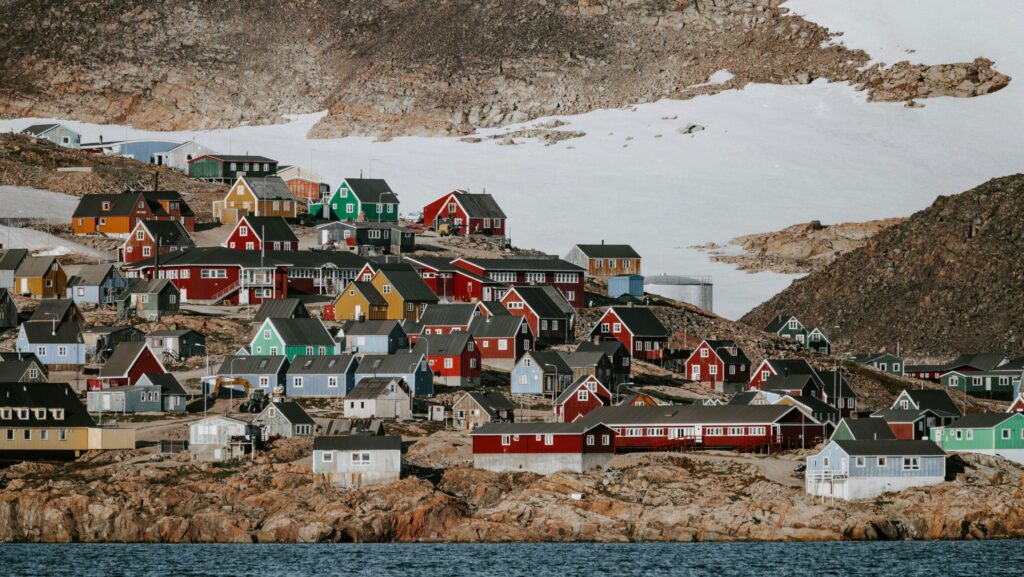
Europe is putting money behind its ambitions in the north. A week after Iceland rejected a return to the EU negotiating table, Ursula von der Leyen is set to announce €200m in new investment for Greenland on Sunday.
The European Commission president will unveil the package during a visit to Nuuk, Greenland’s capital. The money will flow into strategic sectors in 2026 and 2027, strengthening ties with Greenland and the wider Arctic.
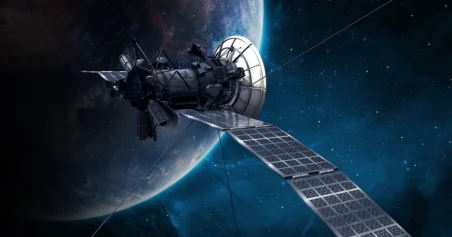
According to two European officials familiar with the trip, the package will support critical raw materials, renewable energy, subsea cables, satellite connectivity and data centres, the Financial Times reports. Some of the money will also go to the Greenlandic government to improve public administration.
The new €200m comes on top of the €225m Greenland has been allocated under the EU’s current 2021–2027 budget. Ms von der Leyen also wants to increase European funding in the next budget period, from 2028 to 2034.
The next package could reach €530m, depending on the outcome of negotiations over the bloc’s next long-term budget, the Financial Times reports.
Von der Leyen will also sign a joint EU-Greenland declaration aimed at strengthening economic ties. Greenland is an autonomous part of Denmark, with a population of around 57,000.
The Arctic race
The visit comes as geopolitical interest in the island grows. US President Donald Trump has repeatedly spoken about taking control of Greenland and this year refused to rule out military force.
The EU is keen to cast itself as a long-term partner for Greenland. It also stresses that its investments on the island began before Mr Trump’s threats.
The Arctic’s future belongs to the people of the Arctic. Not to whoever wants to buy it.
— Jozef Síkela, Commissioner for International Partnerships
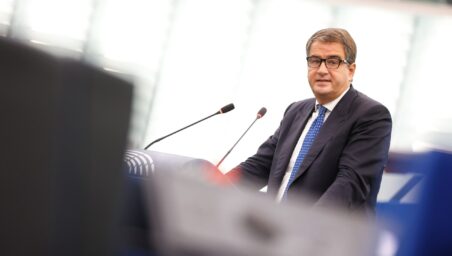
“We come to strengthen the ability of Arctic communities to decide for themselves, and to back those decisions with investment,” EU Commissioner for International Partnerships Jozef Síkela said earlier this week at the Opening of the EU Arctic Forum in Brussels.
Alluding to Mr Trump’s earlier remarks about wanting to “buy” Greenland, Mr Síkela added: “The Arctic’s future belongs to the people of the Arctic. Not to whoever wants to buy it.”
The Commission plans to unveil a new EU Arctic policy later this year. According to a Commission spokesperson, it will build on the new funding and link economic investment more closely with security and defence.
The policy will also focus on connectivity, economic diversification and the resilience of local communities.
Investment hurdles
Greenlandic officials have warned that foreign investment on the island is moving slowly. High costs, difficult logistics and challenging mining conditions are holding projects back.
More economic activity also matters to Greenland’s ambitions for possible independence from Denmark. The island still relies on financial support from Copenhagen. In 2025, it amounted to DKK 4.4bn (almost €600m), a gap Greenland cannot yet hope to bridge on its own.
Ms von der Leyen’s visit comes a week after Icelanders rejected a proposal to reopen negotiations on EU membership in a referendum. For Brussels, closer ties with Greenland offer another way to strengthen its presence in the Arctic.