A cancelled flight is frustrating enough. Chasing a refund from a booking platform can make it far worse. The European Parliament has now approved rules that guarantee passengers their money back within 14 days.
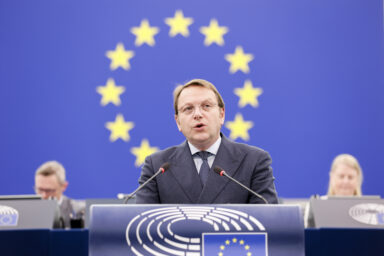
Today, getting money back for a ticket bought online can mean weeks of emails, unanswered requests, and confusion over who should return it. On Tuesday, MEPs gave their final green light to a regulation that strengthens the enforcement of passenger rights across all modes of transport. It sets clear deadlines for refunds and makes it easier to claim compensation for delayed or cancelled journeys.
The rules also strengthen protection for passengers with disabilities and give national regulators more power to investigate carriers. Lawmakers backed the text by 652 votes to two, with eight abstentions. The vote comes amid a row over the cost of aviation rules in the EU. Ryanair CEO Michael O’Leary has warned that more regulation could push up fares.
Refunds within 14 days
One of the biggest changes concerns flights booked through travel agents or online booking platforms. When an airline cancels such a flight, passengers will be entitled to a full refund, including any intermediation fee, within 14 days.
Airlines will have seven days to transfer the money to the booking intermediary, which will then have another seven days to pass it on to the passenger. Intermediaries will also have to explain the applicable refund arrangements when customers buy their tickets.
The aim is to stop airlines and booking websites from passing travellers back and forth when they try to recover their money. Passengers will also be able to use standard EU forms to request reimbursement or compensation. The European Commission will make these forms available online, in all EU languages and for different types of transport, including trains, buses, and ferries. Travellers can still use equivalent forms provided by transport companies.
Free companions for disabled passengers
The new rules will also improve access to air travel for passengers with disabilities or reduced mobility. Those who need someone to accompany them on a flight will be able to take that companion free of charge. Similar protections already exist for passengers travelling by train, bus, or ship.
Matteo Ricci (S&D/ITA), the MEP who steered the law through Parliament, argued that people who need assistance should not have to pay for an extra ticket simply because they cannot travel alone. The right will apply only where a companion’s presence is necessary. Parliament’s announcement does not explain how airlines will assess that need.
Ryanair versus lawmakers
Mr O’Leary has criticised the way the EU regulates aviation. He argues that each new requirement adds costs, which could hurt passengers looking for cheap fares.
Asked whether Parliament had assessed the economic impact on airlines such as Ryanair, Mr Ricci said lawmakers were aware of the interests of airlines and other carriers. He rejected the idea that free seats for companions of disabled travellers would harm competition. In his view, better access will boost passenger confidence and widen airlines’ customer base.
We are prioritising the rights of our citizens over the profits of airlines. — Matteo Ricci, MEP (S&D/ITA)
“It’s not fair if nobody refunds anybody,” he said. Reliable refunds, he argued, could improve trust in the aviation market. In Parliament’s statement, he put it more bluntly: “We are prioritising the rights of our citizens over the profits of airlines.” The dispute shows how hard it is to balance passenger protection and airline costs. Yet neither the statement nor Mr Ricci’s press conference offered an estimate of what the new rules will cost airlines, or whether fares will rise.
Stronger powers for national authorities
Beyond refunds and access, the law aims to make passenger rights easier to enforce. “There are no rights if they can’t be implemented,” Mr Ricci said. National authorities will be able to investigate possible breaches of EU rules before any passenger files a complaint. Where they suspect non-compliance, they can audit or inspect carriers and interview their staff. This should allow regulators to tackle systemic problems affecting large numbers of travellers, rather than react only to individual complaints.
The Council of the EU still needs to formally approve the regulation before its publication in the EU’s Official Journal. The rules will apply from 23 October 2027, the same day as the separate overhaul of air passenger rights that Parliament adopted in July. Until then, the current rules remain in place for all travellers.
Passengers should gain clearer refund procedures, simpler claims, and better access to transport. The real test, however, is whether airlines, booking platforms, and national authorities put these protections into practice when passengers need them most.