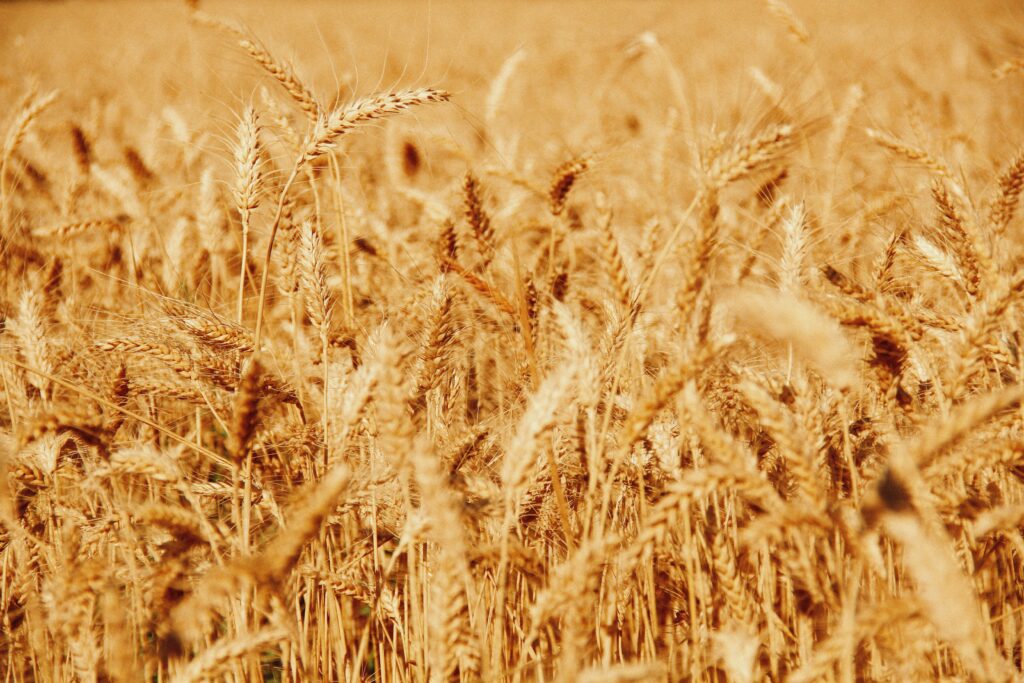
Ukrainian wheat is rotting in silos with nowhere to go. Russian strikes have shut down the ports that used to carry it to world markets, and storage could run out within weeks. Kyiv is about to ask Brussels for something it has wanted for years: more room to sell that grain in Europe.
Talks between Ukraine and the European Commission on raising EU import quotas will resume in September, Ukraine’s agriculture ministry confirmed this week. The goal: higher limits on sugar, starch and syrup products, alcohol and bioethanol. Agricultural trade between Ukraine and the EU grew 11 per cent in the first half of 2026, reaching $8.6bn, before the port attacks intensified in late July.
Ukraine agreed a new trade deal with the EU less than a year ago, after years of protests by European farmers over cheap Ukrainian sugar. That deal only entered into force in October 2025. “At the same time, starting in September, we plan to resume consultations with the European Commission on updating and increasing quotas for sensitive products,” Agriculture Minister Taras Vysotskyi said this week. He wants that review just as Ukraine’s own capacity to grow and ship anything is collapsing.
Grain with nowhere to go
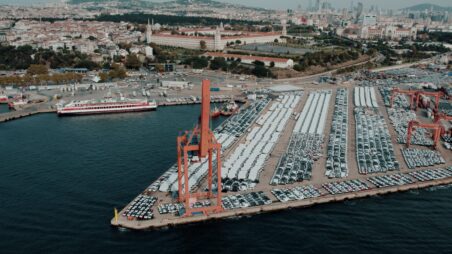
No foreign cargo ship left the port of Odesa between 22 July and early August. Russia has shifted from blockading Ukraine’s Black Sea ports to striking them directly. In July alone, Ukrainian officials recorded 35 attacks on vessels docked in port, 22 on ships at sea, and 67 strikes on port infrastructure.
The human cost has been direct. On 19 July, Russian missiles hit the Golden Leo as it left Odesa carrying corn. Ten people died, including a Ukrainian sea pilot. On 9 August, a strike damaged the port itself and wounded twelve more.
Ukraine’s agriculture ministry has responded by slashing its export forecast for the 2026/27 season. Total agricultural exports could fall 54 per cent, from 64.4 million tonnes to 29.6 million. Wheat exports alone are expected to drop 53 per cent. Grain storage, with a capacity of about 59 million tonnes, could be full by early November. Farmers would then have 11 million tonnes of product with nowhere to put it.
We remain committed to support Ukraine’s access to the international markets.
— Arianna Podestà, European Commission chief spokesperson
Prices have already dropped roughly 30 per cent on domestic markets, as farmers struggle to sell grain they cannot export. Some are selling wheat below what it cost them to grow. War-risk insurance for ships calling at Black Sea ports doubled within two weeks in early August, adding hundreds of thousands of dollars to a single voyage. On 31 July, Kyiv sent Brussels a letter outlining these security risks. The European Commission is still examining it. “We remain committed to support Ukraine’s access to the international markets,” said Arianna Podestà, the Commission’s chief spokesperson, repeating the same line the Commission has used since mid-August, when it first confirmed receiving Kyiv’s request for aid.
An old fight reopens
Ukraine has also asked the Commission for €220m in non-repayable aid. The money would cover loan interest so small and medium farmers can stay afloat through the autumn sowing season. Without it, Kyiv warns, some fields may simply go unplanted next year.
The quota request sits alongside that appeal, but it belongs to an older and slower fight. The EU suspended all tariffs and quotas on Ukrainian farm goods in 2022, to help Kyiv’s wartime economy. Cheap Ukrainian sugar soon flooded European markets, provoking years of protests from Polish and French farmers. The measures expired in June 2025, and a new deal, agreed after months of difficult talks, finally took effect in October. It raised quotas on sensitive goods like sugar and wheat, but only modestly compared with the wartime years.
Ukraine’s agriculture ministry now argues that even those modest gains are not enough. Officials plan to use existing global trade quotas more fully while pushing for a broader review in September. Whether Brussels has any appetite to revisit a deal it only just signed, when Ukraine is struggling to get its existing harvest to market, is a question that will define the coming talks.