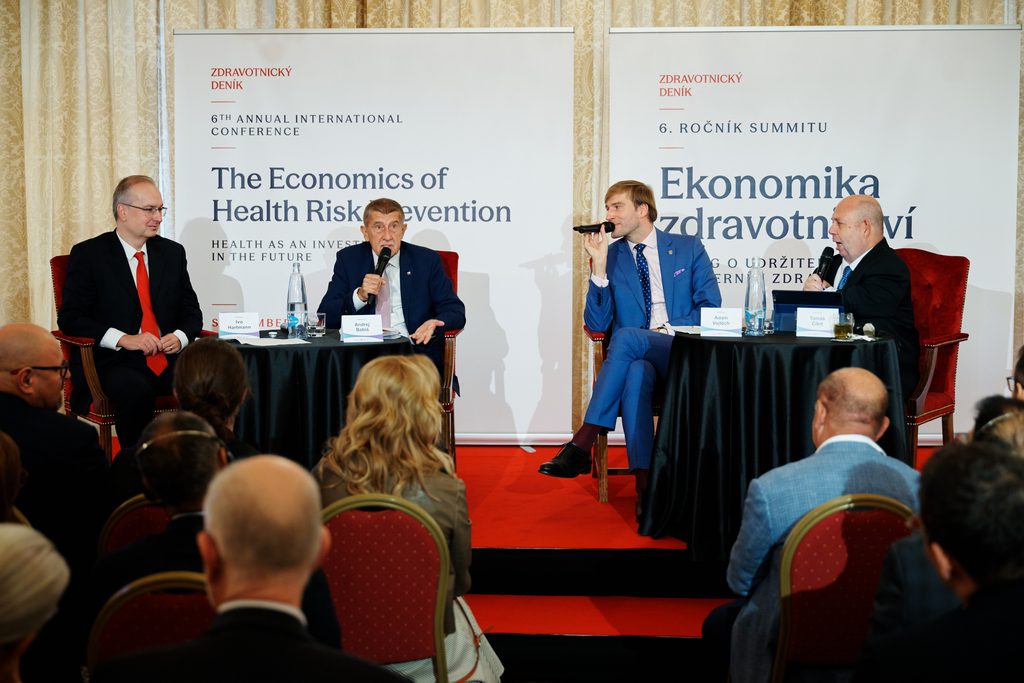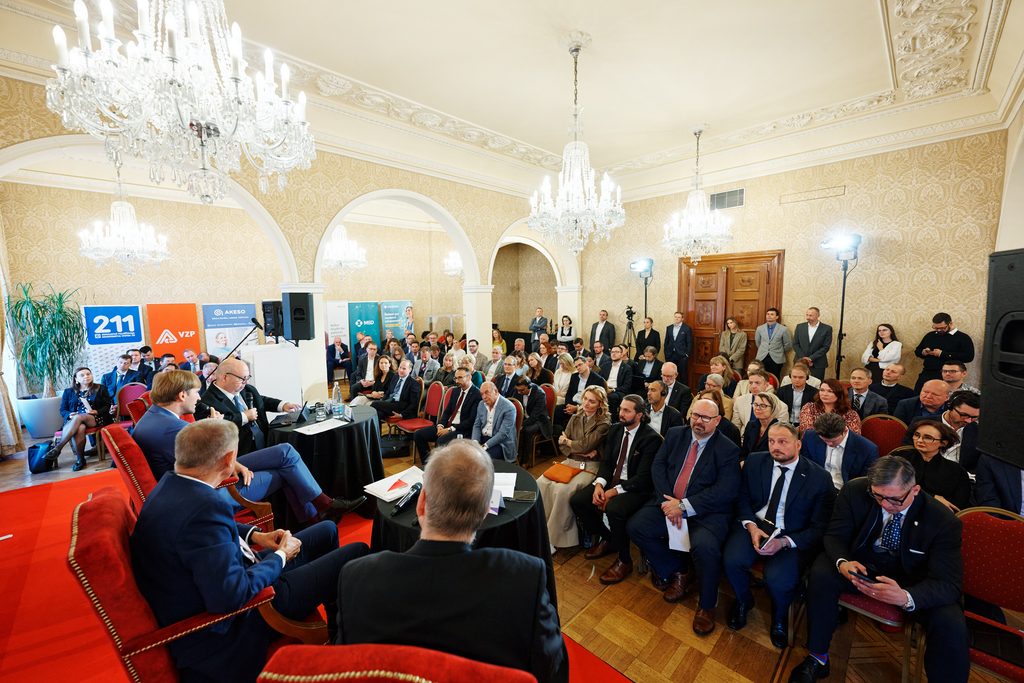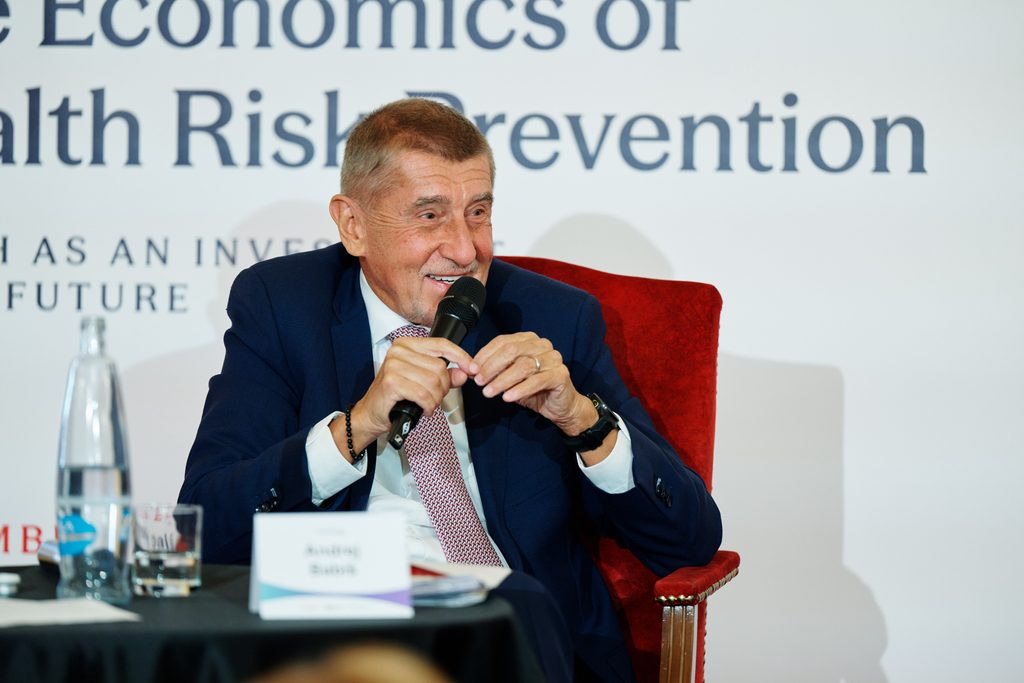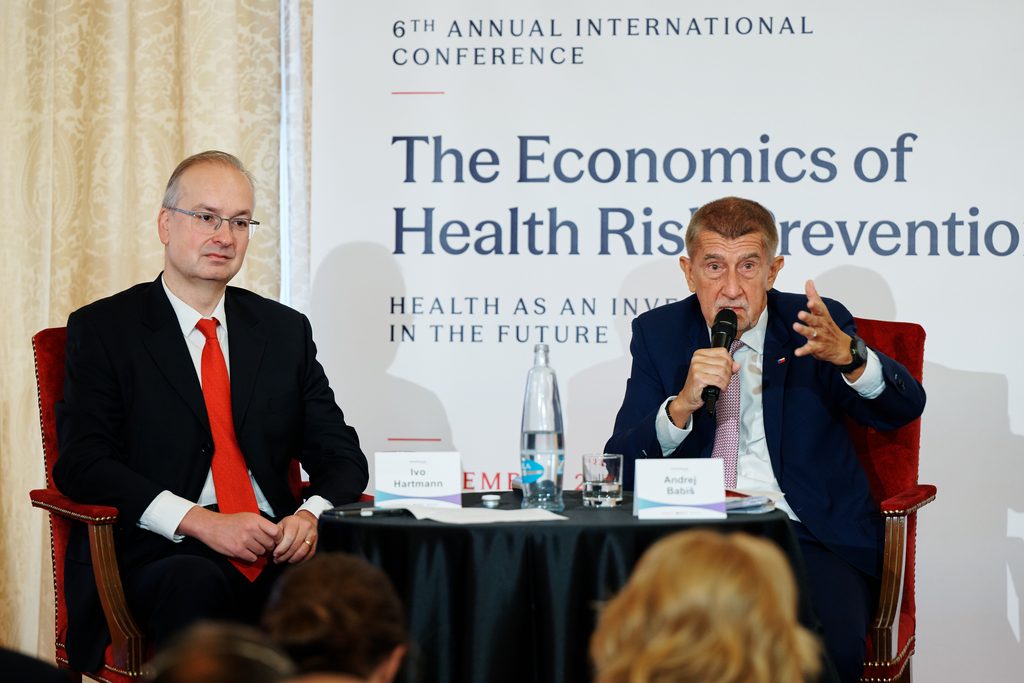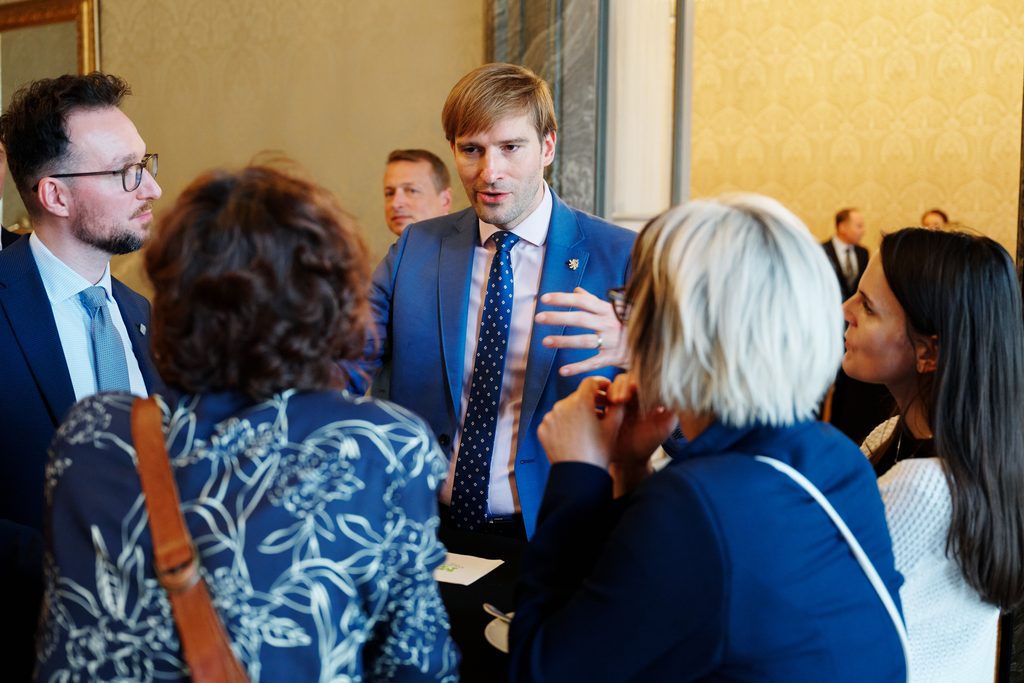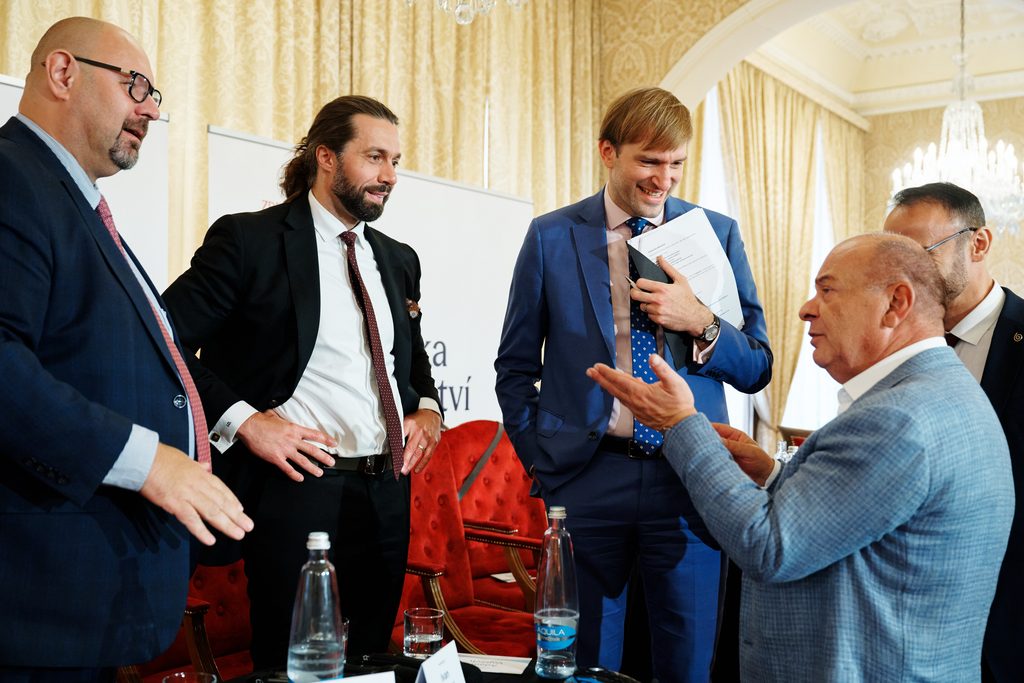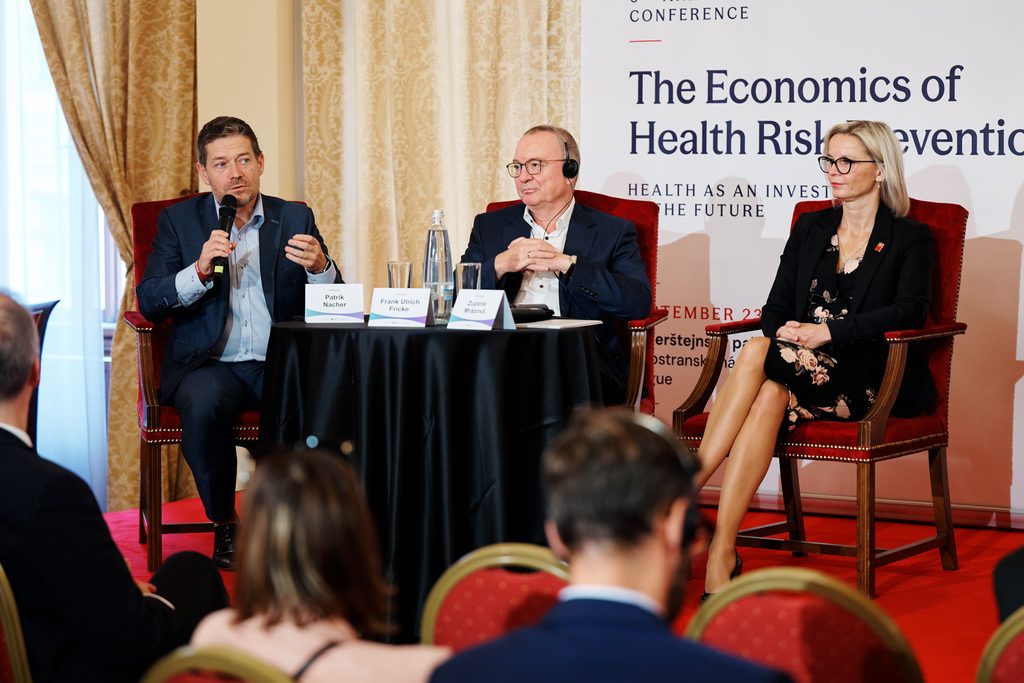
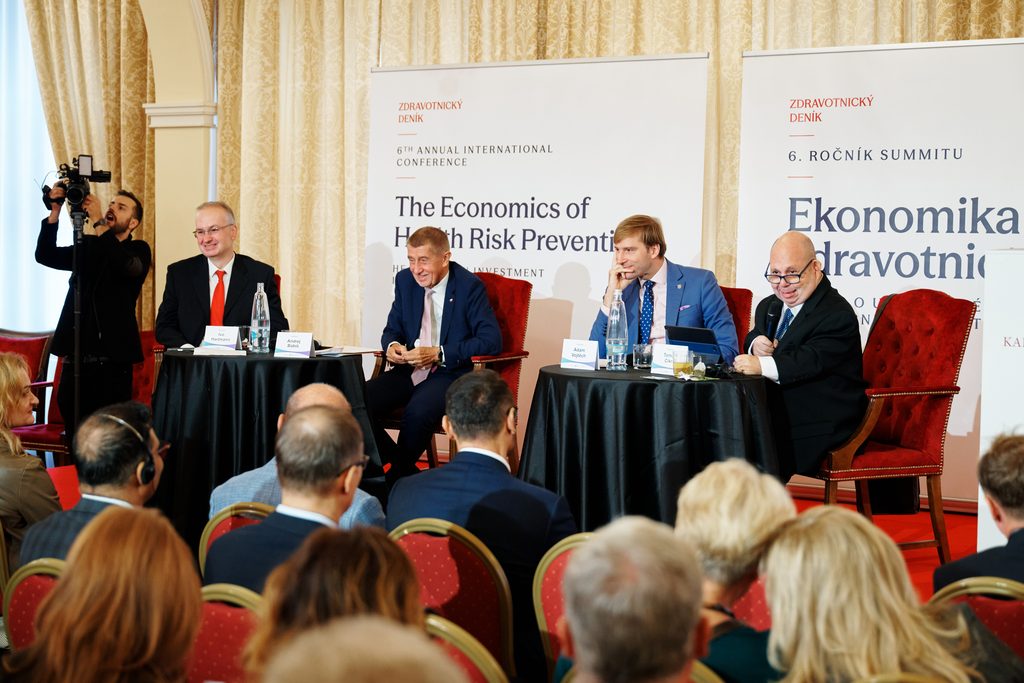
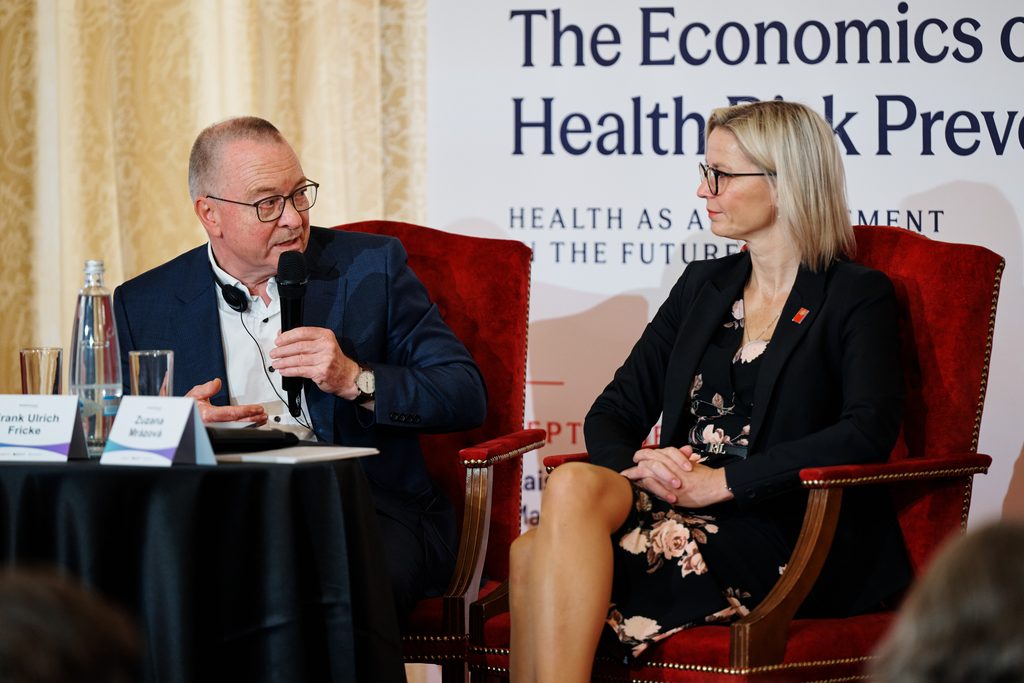
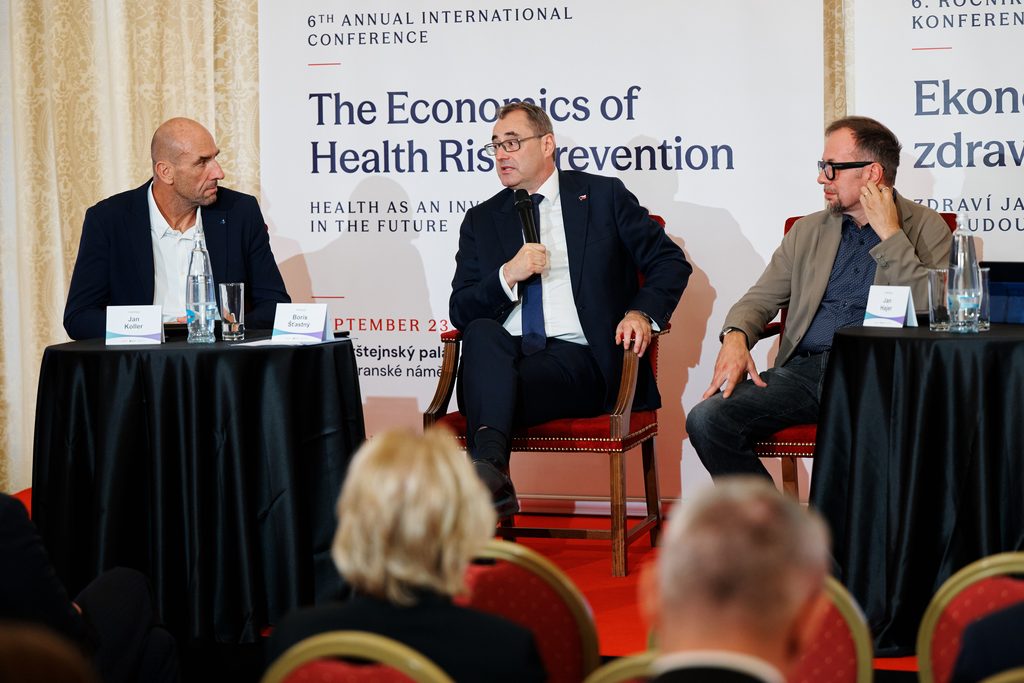
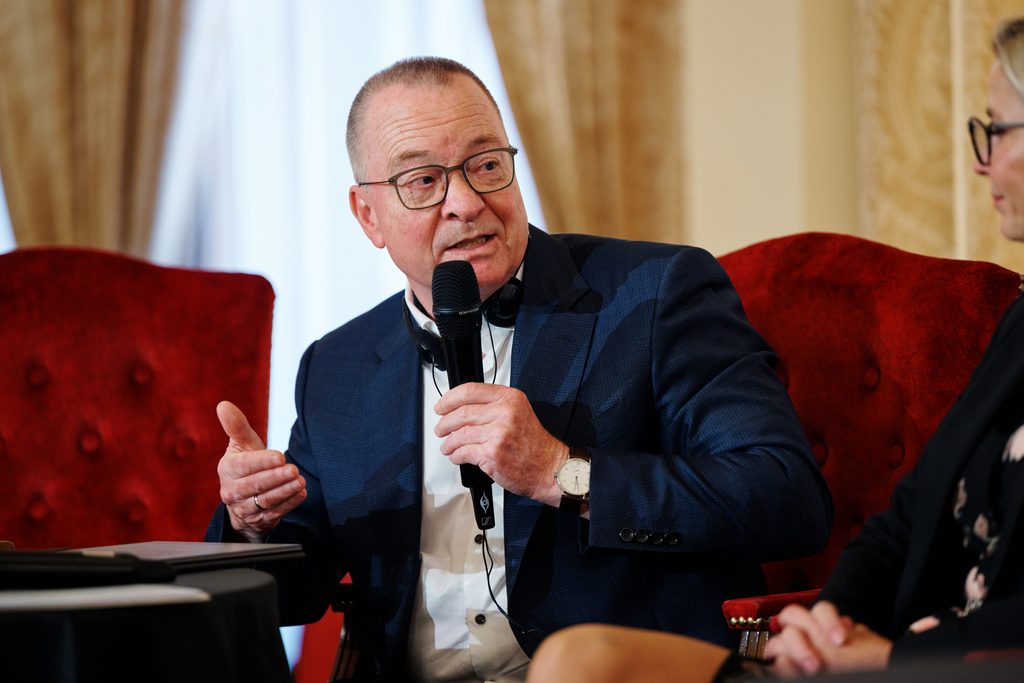
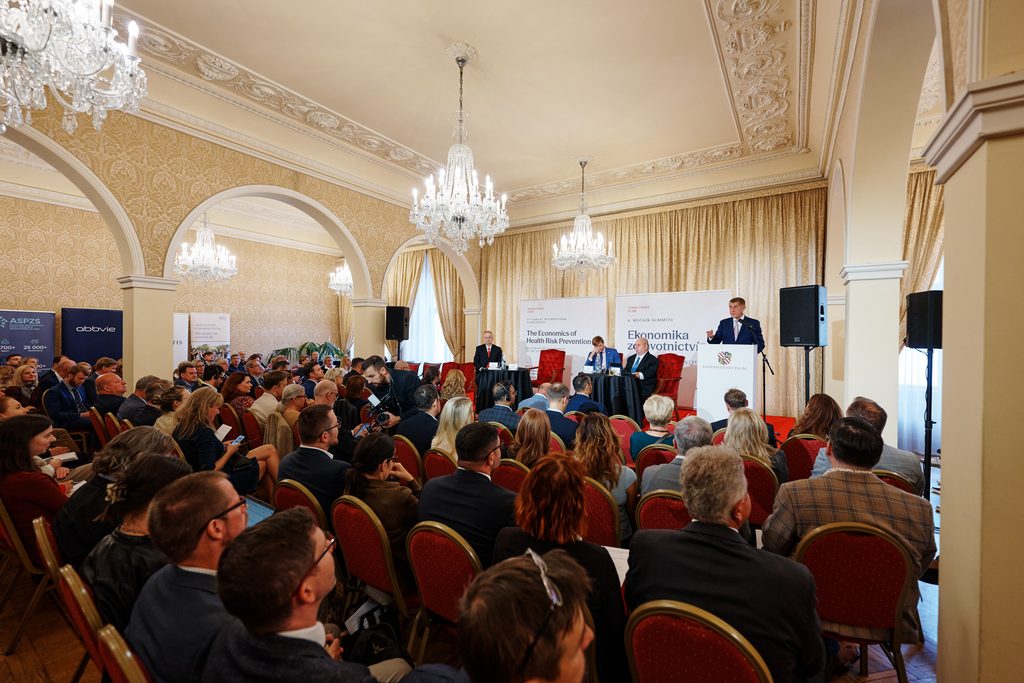
Prevention is an investment, not a cost, was the animating idea of Prague’s annual Health Journal conference on 23 September. Professor Frank-Ulrich Fricke of the Nuremberg Institute of Technology, representing the Forum for Evidence-Based Preventative Health as Senior Scientific Advisor, debated how to turn the idea into policy with Zuzana Mrázová, Czech regional development minister; Patrik Nacher, First Vice-President of the Czech Parliament’s Chamber of Deputies; Aleš Rod of Centre for Economic Analysis; and Šimon Toman of the Czech Chamber of Commerce.
The debate opened with a deceptively simple proposition from the Health Journal (Zdravotnický deník) editor-in-chief Tomáš Cikrt: a healthier society produces a stronger economy. The speakers who followed spent the next two hours testing that claim against demography, European budgets, parliamentary politics, and the stubborn habits of human beings.
Frank-Ulrich Fricke, a professor of Health Economics at the Nuremberg Institute of Technology and Senior Scientific Advisor for the Forum for Evidence-Based Preventative Health, set the intellectual tone. He endorsed three priorities that had emerged from earlier discussion: infrastructure modernisation, digitalisation, and prevention through education. His endorsement, however, came with much precision. “You need to build infrastructure not only for providing healthcare later on more efficiently, but because it fosters economic activity in the country,” he said.
Instead of the prospect of extending your working life up to 73 years, I would start with expanding your healthy life. — Professor Frank-Ulrich Fricke, Nuremberg Institute of Technology and Forum for Evidence-Based Preventative Health
The multiplier effect, he explained, is the economist’s way of capturing that logic. Invest one euro in a hospital or an MRI centre and the backward and forward integration with suppliers generates three, four, or five euros of economic activity in return. Germany, he noted, faces the same infrastructure deficit as the Czech Republic, and is no closer to solving it.
Bricks, bytes, and behaviour
The German case offered a cautionary tale. Professor Fricke recalled a university clinic whose institutes were scattered across a single city, generating enormous costs for patient transport and data transmission. When the regional government priced a consolidated campus, it sold the facility to private investors rather than bear the bill.
“Infrastructure is nothing that is given for granted till eternity,” he observed. “You need to constantly work on it.” The same logic applies to digitisation. Without it, electronic health records remain a fantasy, and data-driven healthcare never arrives: the ability to monitor populations and adjust treatment structures in real time requires a digital foundation that much of Europe still lacks.
Yet digitisation alone is insufficient. In Germany, cultural resistance to sharing personal health data is a serious obstacle, and European privacy law compounds it. Whether Czech citizens would prove more willing, Professor Fricke said he did not know, but he hoped so. The willingness to grant access to data for improving healthcare, he noted, may simply differ between countries.
Health literacy, the capacity of ordinary people to understand and manage their own health, was for Professor Fricke the third and perhaps most neglected pillar. “If people do not know what to do, then they will never get it right,” he said. “And everything else is then difficult.”
The 73-year question
The point is not abstinence but strategy: helping individuals develop their own approaches to reducing harmful habits, whether binge drinking or poor diet, without demanding impossible perfection. Professor Fricke was emphatic: large firms like Siemens run sophisticated prevention programmes; smaller ones rarely can do so. “How do we integrate the small companies with five employees? Good luck if you go to them and ask them to run a big prevention programme to improve and support a healthy life,” he said.
Financial resources invested in infrastructure will not bring results if we do not also invest in people. — Zuzana Mrázová, Czech minister for regional development
The sharpest moment of the session came when Professor Fricke turned to the prospect of extending working life. The demographic arithmetic points uncomfortably toward a retirement age of around 73 if the Czech Republic is to maintain its current ratio of workers to pensioners. Professor Fricke was unsparing about the politics of selling that message.
“For nobody, I think, this is immediately a nice prospect,” he said. “So you should engage in prevention because then your working life can be extended up to 73. Good luck.” The alternative framing, he suggested, is both more honest and more persuasive, and far more likely to change behaviour. “Instead of the prospect of extending your working life up to 73 years, I would start with expanding your healthy life,” he said. “That is most probably the best one.” The distinction matters: people who recoil from the idea of working longer will respond differently to the prospect of living well for longer.
“If you are faced with the question, would I want to suffer the last 20 years of diabetes, cancer, cardiovascular issues and so on, then you would most probably say, no, I don’t want to,” he added. Prevention, framed that way, becomes not a civic duty but an act of self-interest — which is precisely what makes it politically viable.
Money already moving
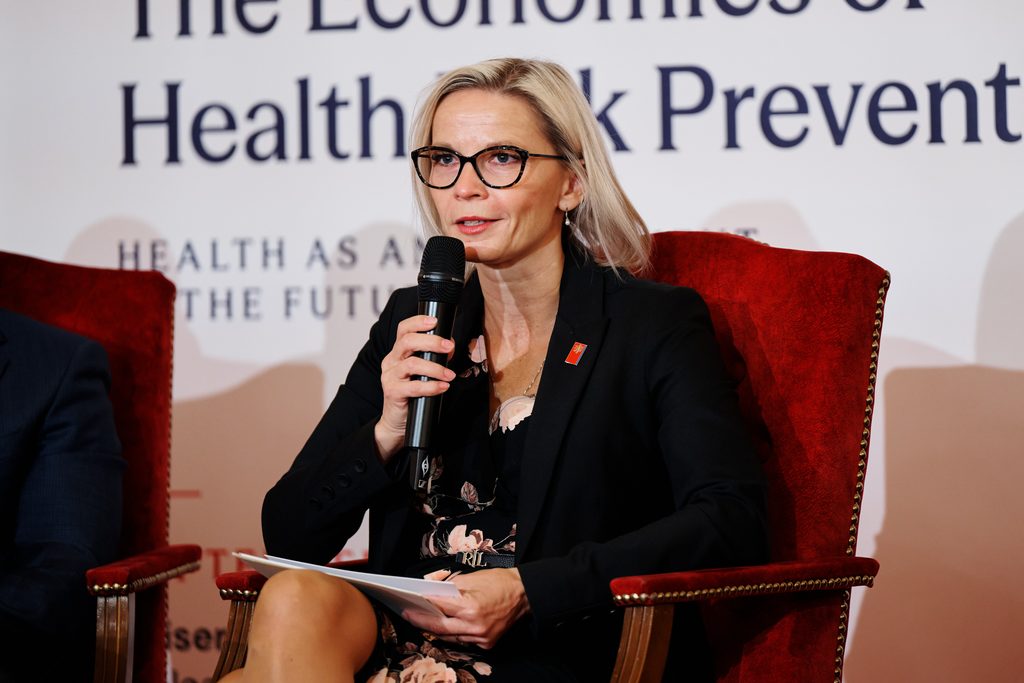
Zuzana Mrázová, Minister for Regional Development, brought the discussion to the present tense. Her ministry coordinates EU cohesion policy, and its role in healthcare, though not immediately obvious, is substantial. “We perceive prevention as enormously important, and support for these areas can be found across the operational programmes,” she told the conference.
The numbers are considerable. The Integrated Regional Operational Programme has allocated CZK 9.6bn to healthcare infrastructure in the 2021–2026 period, covering emergency and palliative care, psychiatric facilities, infectious disease clinics, and regional public-health stations. A further CZK 2.4bn supports digitalisation: electronic prescriptions, secure data-sharing, cybersecurity, and digital patient services.
How do we integrate the small companies with five employees? Good luck if you go to them and ask them to run a big prevention programme to improve and support a healthy life. — Professor Frank-Ulrich Fricke
Ms Mrázová cited specific projects that rarely make national headlines but matter acutely to the regions they serve: a CZK 150m investment in an MRI unit at Pelhřimov hospital; a new psychiatric clinic in Ostrov in the Karlovy Vary region, a part of the country she described as the Cinderella of public investment; and a CZK 192m robotic surgery centre at Thomayer Hospital in Prague.
“We have already drawn down 6.3bn crowns, with which we have supported 142 healthcare workplaces and 272 preventive health programmes,” Ms Mrázová said. “Those numbers are really high and I am very glad for them.” She was equally clear about the limits of capital spending alone. “Financial resources invested in infrastructure will not bring results if we do not also invest in people,” she added.
Funds in flux
The next budget cycle, covering 2028 to 2034, will be structurally different. The European Commission proposes merging all existing funds into a single European Fund, with a proposed allocation for the Czech Republic of over €29bn at current prices. The prime minister has signalled he will push for more, and the timeline for finalising the framework remains uncertain.
“The ideal scenario is for the multiannual financial framework to be approved by the end of this year,” Ms Mrázová said. Without a final figure, she cannot complete the National and Regional Partnership Plan that will govern how the money is spent. She expects to submit it for approval by the end of the first half of 2028 at the latest.
Patrik Nacher, deputy speaker of the Chamber of Deputies, approached the subject from a different angle: his own bathroom scales. A lifelong sportsman who had let fitness slip after entering politics, he has returned to daily running and weight training, and is assembling a parliamentary football team for a match against Slovakia in late October.
The gesture may sound trivial, but his point is serious. “Prevention has an economic rationale,” he said. “When a person invests money, energy, and time in primary prevention—not secondary, meaning doctor’s visits, but primary—they move, they take care of themselves, and that naturally produces economic savings in lower morbidity and a longer healthy life.”
Leading by example
The Czech Republic’s record on healthy life expectancy has barely moved in 20 years, Mr Nacher noted. Average life expectancy has risen, but the age at which people transition from a healthy life to ill health remains stuck at around 60. That, he argued (in agreement with Professor Fricke), is where pension reform should begin: not with raising the retirement age, but with shifting the philosophy entirely.
He is also candid about the limits of his approach. The lag between behavioural change and measurable health outcomes can be a decade or more. “I understand that I have to convince my colleagues all the more, because when the result comes in ten years, it is still important to do it now, even though we will not live to see it, and we will not earn our spurs for it.”
When a person invests money, energy, and time in primary prevention, they move, they take care of themselves, and that naturally produces economic savings in lower morbidity and a longer healthy life. — Patrik Nacher, First Vice-President of the Czech Parliament’s Chamber of Deputies
Mr Nacher also noted a quieter dividend from cross-party sporting activity. When parliamentarians play football together, personal animosities soften. “It does not mean that opposition MPs who play football with us will be nice to us,” he conceded. “But at least there will be less of the personal dimension and more substance.” Prevention, it turns out, has social multipliers too.
Aleš Rod, Executive Director of the Centre for Economic Analysis, reinforced the urgency from an economist’s vantage point. The demographic wave will remove some 900,000 people aged 15 to 64 from the Czech labour market over the next two to three decades. The alternative to raising the retirement age would require the incoming generation of workers to deliver a 31 per cent increase in productivity.
Let private money in
That figure, Mr Rod noted, makes even the uncomfortable retirement-age option look modest by comparison. For him, prevention is above all about preserving a functioning labour market. The return on primary prevention can be as high as fourfold in some areas. “We know the risk factors, we know how to eliminate them,” he said. “We are just not doing it thoroughly enough.”
Mr Rod added a structural note: beyond prevention, the Czech Republic should not shy away from closing some of the hospitals that consume roughly half of healthcare costs, allowing private providers to absorb parts of that agenda. Innovative treatments, he argued, should be understood as investments rather than costs, and harm-reduction regulation deserves more attention as a tool for cutting the social burden of preventable disease.
Šimon Toman, chairman of the healthcare and social services section of the Czech Chamber of Commerce and president of the Association of Private Healthcare Providers, closed the discussion on a deliberately optimistic note. But he identified a practical obstacle that no amount of funding resolves on its own: people simply do not prioritise prevention over a busy working day.
Making prevention pleasant
They will not cancel an important meeting or take a day’s leave for a check-up unless the experience of attending is actively appealing. “Prevention must be as pleasant as possible for the person,” Mr Toman said. Private providers, he argued, are at the forefront of making that happen: punctual appointments, agreeable environments, and a patient-centred approach that public facilities—however clinically excellent—do not always manage.
The thread connecting all of the afternoon’s contributions was the same one Professor Fricke articulated at the outset. “Birth is a fatal disease,” he observed. “Finally you die. The question is, how do you get from one point to the other?” Infrastructure, data, literacy, political will, European funds, and parliamentary football teams are all, in their different ways, attempts at an answer.
Photo: Radek Čepelák