Burnt town halls, looted shops, and around 2,400 arrests. After France’s worst unrest in years, a former prime minister wants the power to switch off social networks during riots. Brussels replies that platforms already have to stop violence from spreading, or face heavy fines.
The town hall in Limoges, a listed historic monument, went up in flames on Saturday night. Within hours, images of the blaze and of looted shops in Paris and Marseille were spreading far beyond France. What began on 17 October as a peaceful march of some 550,000 people against rising living costs and poor school conditions ended in the country’s worst unrest in years. Similar scenes have since played out in several other European countries.
The toll is heavy. Police arrested around 2,400 people, a 22-year-old police officer died in Nantes, and a protester in Paris died of a heart attack. Prime Minister Sébastien Lecornu blamed ultra-left groups for organising the violence in several cities. In a TV address, President Emmanuel Macron promised that “those who looted will have to pay for the damage”. Yet by Monday, the fight had moved from the streets to the screens. Paris is asking how much of the chaos social networks fuelled. Brussels is reminding platforms that, under EU law, stopping the spread of violence is already their job.
Pull the plug on TikTok?
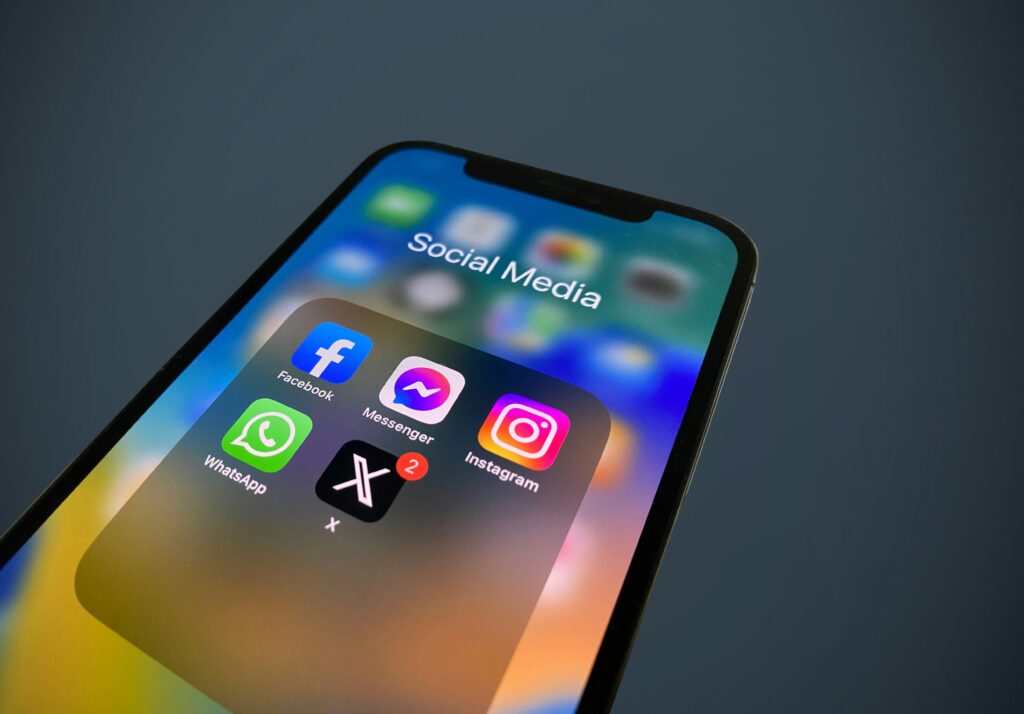
Former Prime Minister Gabriel Attal wants a radical answer. He leads the centrist Renaissance party and is running for president in next April’s election. “Social networks cannot be the rallying point for rioters and the engine of violent copycat behaviour,” he wrote on X on Monday. He wants the state to be able to block selected platforms for a limited time during riots. So far, the French government has not blocked X, TikTok, or Snapchat.
Mr Attal has tried this before. As prime minister in May 2024, he cut off TikTok in New Caledonia during riots on the island. The Council of State, France’s highest administrative court, later ruled the ban illegal and a disproportionate attack on free speech. Others want to go further. Frédéric Péchenard, a former head of the national police, called for AI-powered surveillance cameras and police access to encrypted apps such as WhatsApp and Signal.
A blackout would also run into EU law. The Digital Services Act (DSA) keeps platforms open but gives them clear duties. At the Commission’s midday briefing, spokesperson Thomas Regnier said online platforms “have a role to play in the current context when it comes to their services and algorithms”. They must stop their algorithms from boosting violence and remove posts that incite it. The largest platforms face fines of up to six per cent of their global annual turnover if they fail.
Platforms must also comply with orders from national authorities to share information. If they suspect a crime is about to happen, they must alert the police themselves. The Commission is in close contact with Arcom, France’s digital regulator, and planned a second meeting with French authorities on Monday. Paris has taken this route before. In 2023, after riots over the police killing of teenager Nahel, the government asked TikTok, Snapchat, Twitter, and Meta to remove calls to violence.
Foreign trolls or homegrown anger
Journalists in Brussels asked whether foreign actors had fanned the unrest online. Mr Regnier gave no such confirmation and said Paris is in charge. “We are ready to assist where we can assist, but they are playing the leading role for now,” he said of the French authorities. France’s own watchdog has found little either. In September, Viginum, the agency that tracks foreign interference online, detected no significant foreign operation behind the calls to protest on 17 October.
We are ready to assist where we can assist, but they are playing the leading role for now. — Thomas Regnier, European Commission spokesperson
After the violence, however, Kremlin-friendly media widely shared images of burning French streets. They presented France as a country sliding into chaos. Some politicians have also linked the riots to migration. The Commission refused to comment on such claims and stressed that peaceful protesters must not be lumped together with those who loot and burn.
The political fallout in Paris has only begun. Mr Macron has demanded explanations for intelligence failures and a new policing strategy. National Assembly President Yaël Braun-Pivet has proposed a parliamentary inquiry into the violence and how it was organised. Mr Lecornu is due to meet organisations in the coming days to look for solutions.