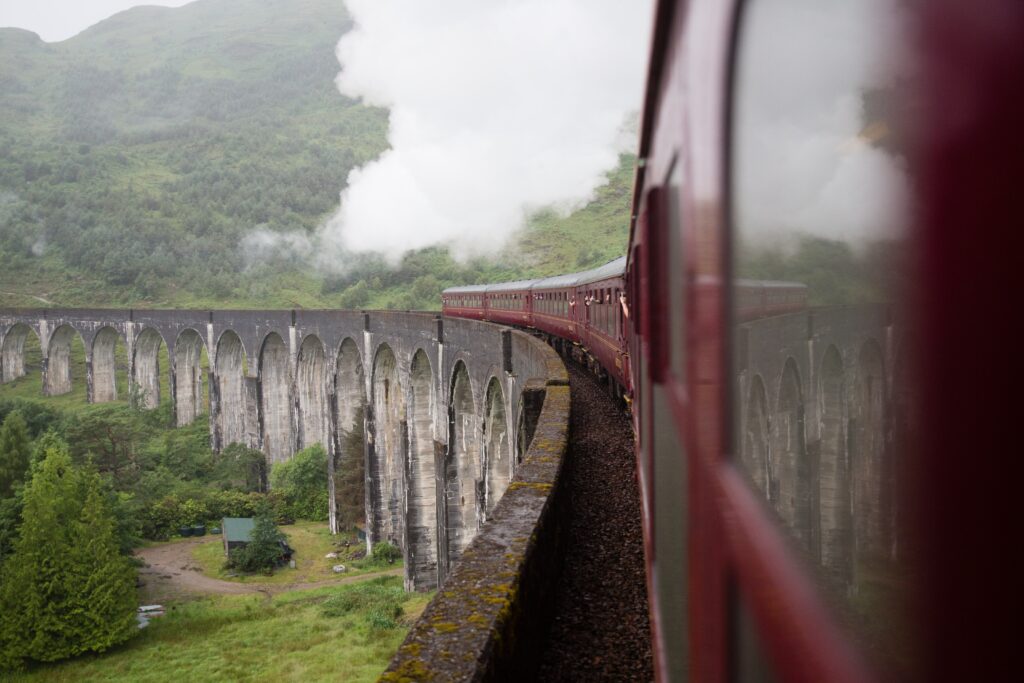
Taking a train from one city to another should be easy: you buy a ticket, hop on and arrive at your destination. In the EU, that is not always the case. The European Parliament is now pushing for a better-connected high-speed rail network across the continent, with more affordable tickets and better links between major cities and regional towns.
Traveles between countries often have to switch trains, deal with completely different systems for buying tickets, and pay fares that can make flying seem like a more affordable option. MEPs want to do something about this.
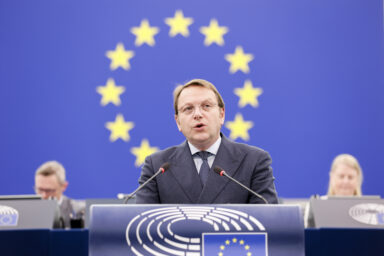
The European Parliament has supported an effort to create a new network of connected high-speed rail lines, with more reasonably priced cross-border travel and better links to the many regional areas that many fast trains currently bypass. The move follows the European Commission’s proposal to establish a new high-speed rail system connecting all major cities throughout Europe by 2040.
Turning these plans into reality will need considerable funding, international agreement among European countries, and changes to how passengers buy train tickets.
Faster trains beyond Europe capitals
Today, high-speed rail services vary widely across Europe. While many major cities are served by frequent fast trains, passengers traveling from smaller towns or more remote regions have to rely on much slower trains and may need to make multiple changes along their route before reaching their destination.
MEPs call on the Commission to fund a high-speed rail network that that serves Europe as a whole, not just its biggest cities. They recommend that regional cities and towns are linked into the EU high-speed rail network either directly or by reliable connections to an existing service.
It must not come to the detriment of the commuter and regional rail services used by people in their daily lives. — MEP Vicent Marzà Ibáñez (Greens-EFA/ESP)
The report also calls for better rail connections with neighboring countries outside the EU. A number one priority is completing the Trans-European Transport Network (TEN-T), the EU master plan to link together transport systems throughout all member states.
The Parliament wants each government to identify where the gaps exist such as missing rail links, improve the cross-border connections and review abandoned lines or areas that have received very little funding.
Will high-speed train tickets become cheaper?
Speed is only part of the problem. Ticket prices can also discourage passengers from choosing rail. Legislators believe that for high-speed trains to become an acceptable alternative to other forms of transportation, the price cannot be too much either.
MEPS want governments and rail operators to look into discounts, subscription plans and more ticket options available to their customers. They also call for clearer pricing so that passengers know how much their trip will cost before the purchase.
Traveling internationally can also be a hassle. Passengers often have to check several websites to research routes, connections and prices, especially when their journey involves multiple train companies.
The report welcomes ongoing EU legislation efforts to make it easier to find and book tickets across different companies. However, it does not introduce plan for lower ticket prices or propose a single European ticket booking website.
Not leaving local trains behind
Although investment in faster international routes may be beneficial for long-distance travelers, Parliament members stress importance to protect accessible and reliable rail services for everyday trips.
“This requires adequate investment across the EU, including the use of green rail bonds, and it must not come to the detriment of the commuter and regional rail services used by people in their daily lives,” Vicent Marzà Ibáñez (Greens-EFA/ESP) argues. That matters especially for people who rely on regional rail service to get to work, school or medical appointments.
The vote signals a broad support for better rail travel, but it does not mean new lines will be built or tickets will become cheaper overnight. EU funding for infrastructure projects and changes to rules governing passenger ticket pricing are next steps.
The EU wants to make rail travel across Europe easier by 2040. Whether that ambition translates into better journeys for passengers remains to be seen.