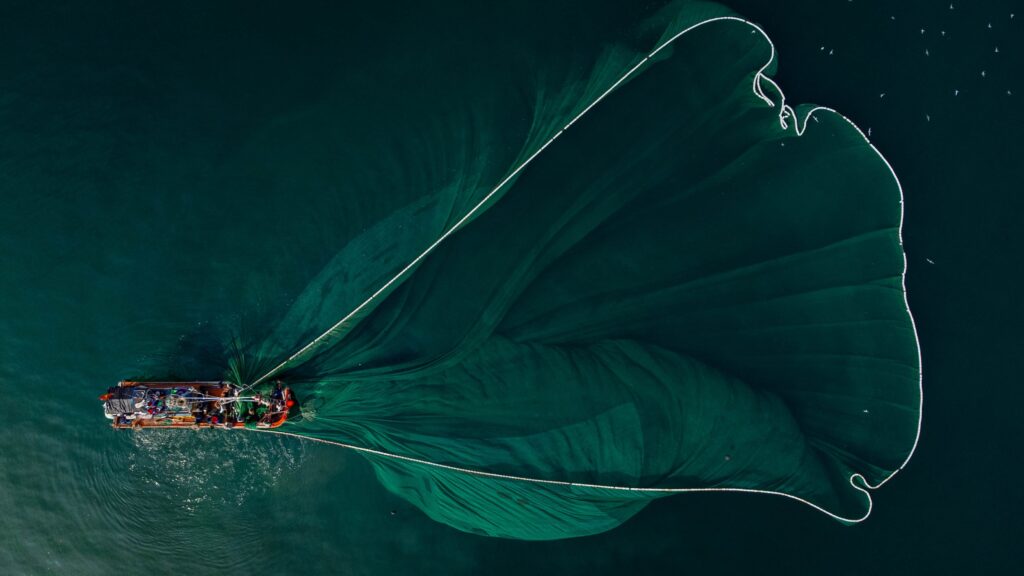
Fishers in the Baltic Sea will be able to land more herring and sprat next year, as ministers approve higher quotas for several stocks. But recovery of the marine life remains uneven, with cod populations still struggling and fishing restrictions firmly in place.
EU fisheries ministers agreed on catch limits for 2027 on Monday. They expanded fishing opportunities for many fish stocks while keeping restrictions on those that are considered vulnerable. The Council deal departs from the European Commission’s proposal on several key points.
Cod remains in trouble
The eastern and western Baltic cod stocks remain in poor condition. Fishers cannot target cod, but may still catch limited numbers accidentally.
These by-catch limits were among the point where ministers diverged from the Commission’s proposals. They rejected cuts of 88 per cent for western Baltic cod and 51 per cent for eastern Baltic Cod, keeping both limits at their current levels. Similarly, they rejected a proposed 45 per cent cut to western Baltic herring by-catch limits.
Why is the Baltic Sea under pressure?
Fishing is only one of the problems facing the Baltic Sea. The main ones are climate change, pollution and the continued decline of marine life.
By balancing the recovery of fish stocks and the protection of marine ecosystems with the long-term viability of our fishing sector, we aim to support healthy seas and thriving fishing communities for generations to come. — Martin Heydon, Irish Agriculture Minister
Another issue is the large amounts of nitrogen and phosphorus that enter the water of the Baltic Sea. These are usually added through the use of fertilisers, as well as animal waste.
Excessive nutrients in the sea causes an increase in algae growth. When these algae decompose, they consume oxygen, leaving less available for fish and other marine life.
Some smaller fisheries keep their rights
The agreement also maintains several exceptions. Fishermen using small scale gear to target western Baltic herring will retain their current exemptions to continue their access to this stock while all other fishermen are restricted.
Catch limits for salmon will remain unchanged in the Gulf of Finland for the year 2026. Similarly, accidental catches of salmon in the Baltic Sea main basin will also remain unchanged from those established in 2026.
Some summer coastal fisheries for salmon will remain open. Recreational anglers will also still be able to harvest farmed salmon, even as the Commission had recommended eliminating this right. Angling for wild salmon will remain prohibited. Permitted annual catch limit for plaice (flatfish) will rise by three per cent.
A difficult road to recovery
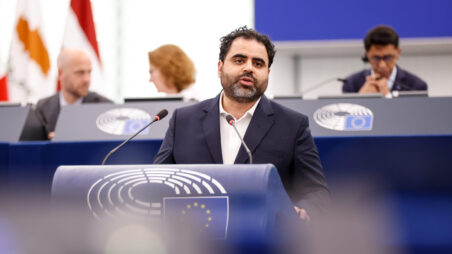
The Council will have to officially approve the agreement for the fishing limits to be implemented by 2027. Irish Agriculture Minister Martin Heydon stated that years of joint efforts to restore fish stocks were beginning to pay off.
“By balancing the recovery of fish stocks and the protection of marine ecosystems with the long-term viability of our fishing sector, we aim to support healthy seas and thriving fishing communities for generations to come,” he said.
However, recovery so far has been inconsistent. Some species such as herring are showing positive trends but others like cod continue to struggle.