Europe has paid more than €100bn in additional energy costs this year. All that without receiving any extra gas or oil, Energy Commissioner Dan Jørgensen said. He urged governments to accelerate the shift towards energy produced within Europe as they prepare for a difficult winter.
The EU had passed that threshold “without receiving one extra molecule of gas or oil”, he told journalists this week just before an informal meeting of energy ministers began in Dublin, Ireland. Reducing dependence on Russia had not insulated households and industry from rising global prices, he said.
Ministers gathered in Dublin on 28–29 September to discuss affordability, innovation and energy security. The talks come as governments face pressure to protect consumers while reducing the bloc’s exposure to imported fuels.
High prices put pressure on winter preparations
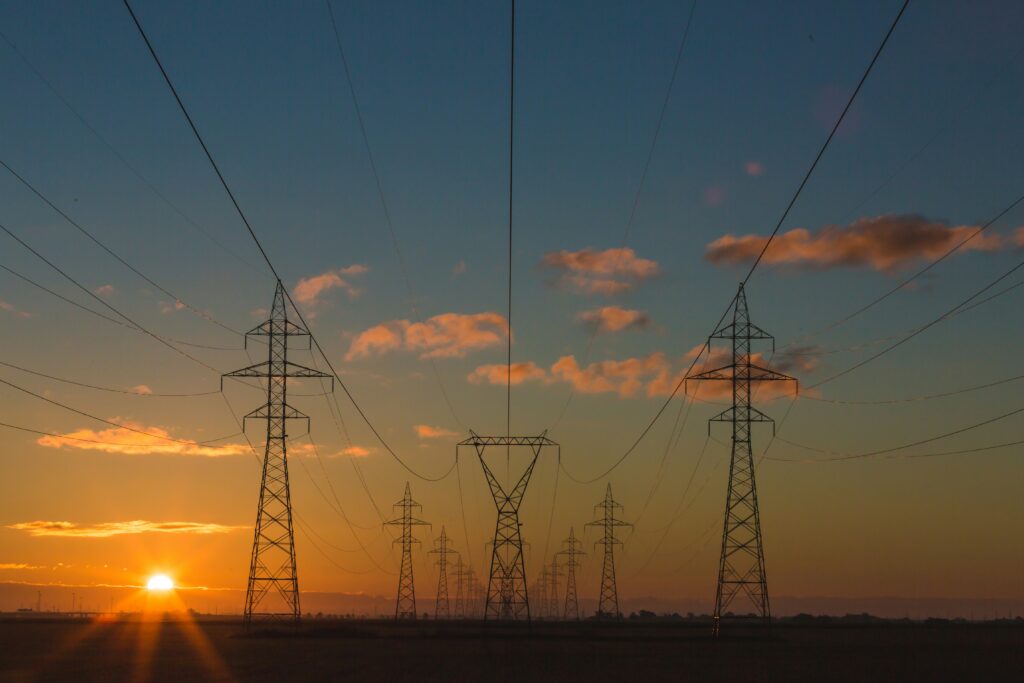
Mr Jørgensen called for imported fossil fuels to be replaced by domestically generated clean electricity. He pointed to the Commission’s electrification action plan and negotiations on electricity grids as ways to strengthen connections and bring energy to consumers more cheaply.
The immediate concern extends beyond whether fuel is available. In a separate assessment published on Tuesday, the Commission said EU oil supplies remained stable, but diesel and jet fuel prices were high. European refineries were operating near maximum capacity.
Mr Jørgensen also said the Commission was examining a possible delay to methane rules affecting oil and gas imports following concerns from governments. Any postponement would require legislative approval, he said, while insisting that the EU should maintain its climate ambitions.
Several countries have introduced measures to ease costs, particularly for vulnerable consumers. The Commission said emergency oil stocks remained available if supplies were disrupted. Those reserves offer protection against shortages, but households and businesses still face the pressure of expensive fuel.