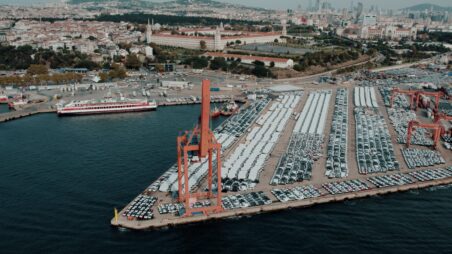
Gas tankers heading for Europe have just won some breathing space. Ursula von der Leyen promised exporters one more year before EU methane rules bite. She chose the word “flexibility” rather than delay, and her energy commissioner must explain the difference this afternoon.
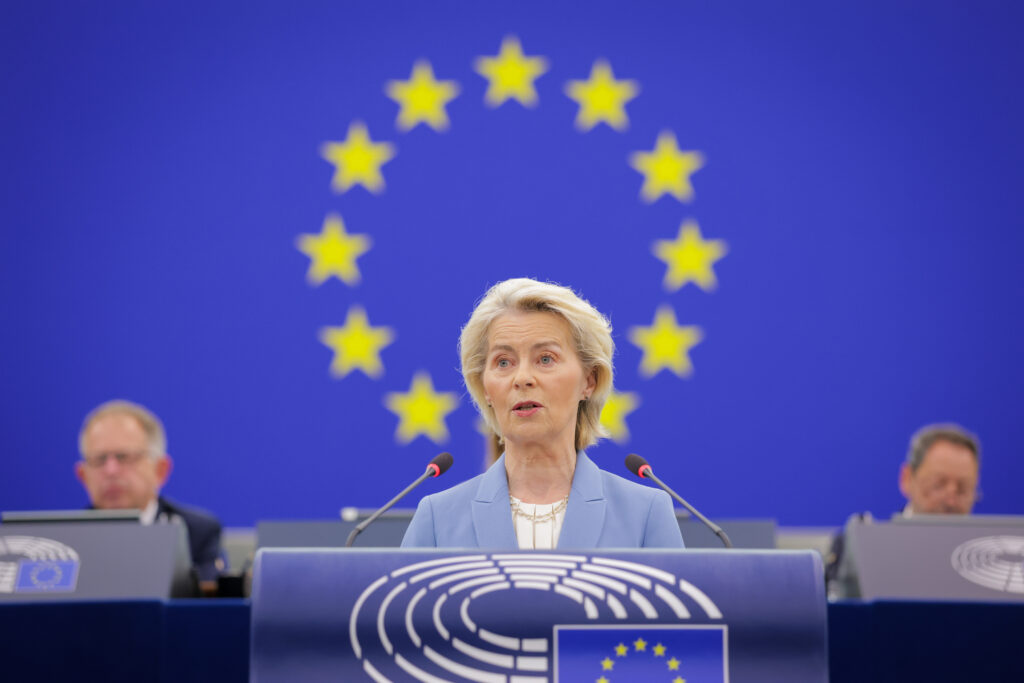
The promise took a single sentence in a speech about energy bills. “We will give flexibility to exporters for one more year on methane. This saves additional costs at a moment of crisis,” Commission President Ursula von der Leyen told lawmakers in Strasbourg on 6 October, in a debate ahead of next week’s EU summit. The line ends a week of mixed signals from her Commission on the issue.
Under the EU methane regulation, importers must show from 1 January 2027 that producers abroad monitor, report, and verify methane emissions to standards equivalent to those in the EU. Several member states argue that this cannot work in time. In their view, third countries lack the measuring equipment and independent verifiers the rules require.
Flexibility, not postponement
The choice of words matters. The 2027 date sits in law, and only the European Parliament and the Council can move it. On 5 October, a journalist at the Commission’s midday briefing quoted a written answer in which Energy Commissioner Dan Jørgensen reportedly said the Commission “cannot autonomously postpone the application” of the rules. A week earlier, a Commission spokesperson had spoken of plans to “propose a postponement”.
Ms von der Leyen did not say whether the Commission will table a legal amendment or simply soften enforcement. In July, it already recommended that member states pause penalties for three years. Mr Jørgensen will answer lawmakers’ questions on the regulation at 15.00 during Question Time. Lawmakers want to know whether the import rules could threaten supply security and push prices even higher.
Ms von der Leyen also spoke of “exporters”, not importers. The regulation places the legal duty on EU-based importers, who must vouch for their suppliers abroad. An extra year therefore mainly buys time for foreign producers to set up measurement and reporting systems.
The push came from a coalition led by Czechia. Prague first raised the alarm in April, and Prime Minister Andrej Babiš wrote to Ms von der Leyen. In June, Czechia and Slovakia put forward an informal paper, known as a non-paper, calling for a three-year postponement of key obligations for importers. More than a dozen member states backed the call, including Italy, Poland, and the Netherlands, with Germany joining later. The US and gas exporters such as Qatar lobbied for a delay too, while France proposed a one-year pause.
Price shock behind the reprieve
The methane move is part of a wider response to soaring energy costs. Gas prices have risen by 140 per cent since the end of February and diesel prices have doubled, Ms von der Leyen said. Imported fossil fuels have cost Europe an extra €100bn, without adding a single unit of energy.
Families and industries are paying the cost of a crisis far beyond our borders.
— Ursula von der Leyen, President of the European Commission
“Families and industries are paying the cost of a crisis far beyond our borders,” she told lawmakers. She also announced a strategic dialogue on European refineries, chaired by Mr Jørgensen and Defence Commissioner Andrius Kubilius, and a taskforce to pool energy demand across the bloc. Support for households must stay targeted, she insisted, with “no blanket handouts”.
Not everyone welcomes the reprieve. Spain opposed any delay, and climate experts and investors warn against weakening a law the Commission itself presents as one of the most ambitious in the world. Mr Jørgensen’s answers this afternoon should show how much of that ambition survives.