From electric cars to wind turbines, Europe relies on critical raw materials from abroad. A proposed €2 billion fund aims to reduce that dependence by boosting domestic projects and diversifying supply chains.
The European Parliament voted 470 to 83, with 108 abstentions, on Tuesday backing proposals to strengthen Europe’s supply security and establish a fund for strategic raw materials projects.
The report, led by MEP Mohammed Chahim (S&D/NLD), follows the Commission’s RESourceEU Action Plan. It aims to accelerate domestic production, strengthen recycling capacity and diversify supply chains.
A European centre and a €2 billion fund
One of the central proposals is the creation of a European Critical Raw Materials Centre. It would oversee joint purchasing mechanisms, coordinate contingency stocks, identify supply chain vulnerabilities and support agreements between suppliers and industrial buyers. It also calls for a European Critical Raw Materials Fund, with a €2 billion budget under the Competitiveness Fund.
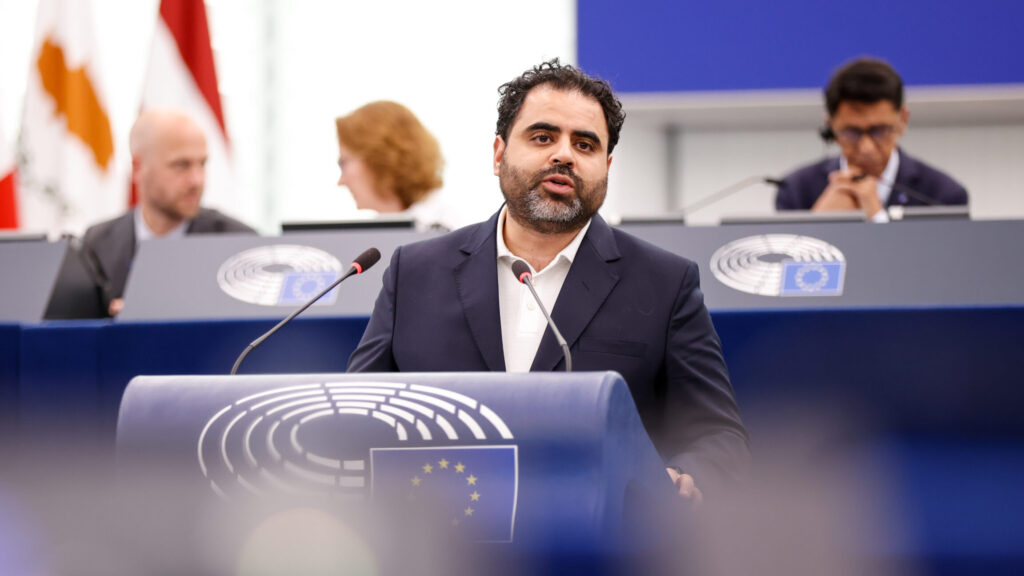
Ahead of the vote, Mr Chahim said critical raw materials are “not just an economic asset; they are a strategic necessity”. According to him, a well-funded centre with the power to act quickly is essential to ensure that Europe’s “dependencies cannot be turned into instruments of geopolitical pressure”. He also stressed that “the Critical Raw Materials Centre enjoys broad political support”.
The measures would complement the existing Critical Raw Materials Act. It sets benchmarks for 2030 of at least 10 per cent of EU annual consumption to be by domestic extraction, 40 per cent by processing and 25 per cent by recycling capacity.
Monitoring and recycling
The amendments also seek to strengthen the monitoring of companies exposed to critical raw materials supply disruptions. Companies would be required to map supply chains, assess vulnerabilities and present their findings.
The legislation also aims to improve the recycling of permanent magnets containing strategic materials such as neodymium and dysprosium. Those are used in electric vehicles, wind turbines and industrial equipment.
The proposed changes would extend relevant recyclability provisions to products including hard disk drives, loudspeakers, civilian drones and motorised toys.
What’s next?
The plenary vote follows several months of negotiations within Parliament’s Industry, Research and Energy Committee (ITRE). In June they adopted an initial report by 63 votes in favour.
However, the file was referred back to committee for further consideration. Future negotiations with the Council will determine the final text.