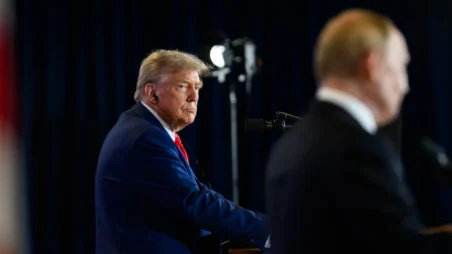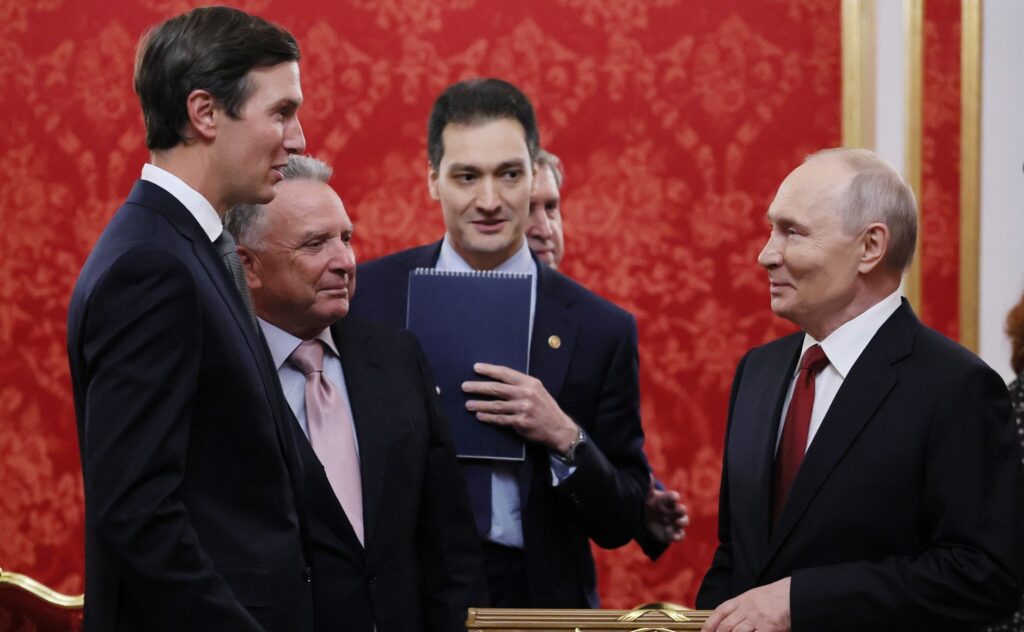
Prisoners of war are set to go home after the Abu Dhabi talks, but no ceasefire is in sight. US envoy Jared Kushner still sees “all the ingredients” for a deal. On Thursday, he and Steve Witkoff take the results to Russian President Vladimir Putin in Moscow, then to Ukrainian President Volodymyr Zelenskyy in Dublin.
“We see all the ingredients needed to reach a deal,” Mr Kushner said after Wednesday’s negotiations in Abu Dhabi. He also announced the visits and the Kremlin subsequently confirmed Thursday’s meeting. The envoys will discuss the proposals with Mr Putin before presenting them to Mr Zelenskyy.
The Moscow visit would “go over what was discussed today and try to make progress on some of the issues that we discussed”, Mr Kushner said. He described the negotiations as productive but difficult, identifying territorial disputes and the lack of trust between the sides as major obstacles.
Prisoner swap agreed, Europe’s role disputed
Officials confirmed agreement on a large prisoner swap, following Tuesday’s reports citing an anonymous Ukrainian source. Final numbers remained unsettled. Negotiators also discussed Ukrainian civilians held in captivity and children taken from Ukraine. The agreement offers a concrete humanitarian outcome while broader peace terms remain unresolved.
You might be interested

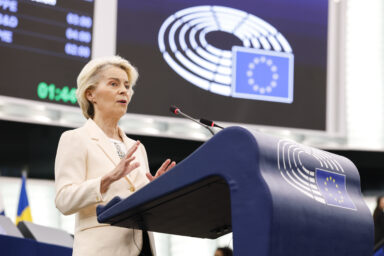
Mr Kushner said Europeans should join the negotiating table. Representatives of Britain, France, Germany, Italy, NATO, and the EU held separate consultations with Ukraine and the US in Abu Dhabi, but did not participate directly in the trilateral negotiations.
We have not received a single peace initiative or a single concrete peace proposal from European countries. — Vladimir Medinsky, Russia’s chief negotiator
Russia’s chief negotiator, Vladimir Medinsky, remained resistant. “We have not received a single peace initiative or a single concrete peace proposal from European countries,” he told reporters, questioning what Moscow should discuss with them. His remarks contrasted with Washington’s push to include Europeans in the next stages of negotiations.
European leaders are also debating who should speak on their behalf. Czech Prime Minister Andrej Babiš said he would meet Mr Zelenskyy in Dublin at the Ukrainian president’s request, as leaders gather for the European Political Community summit and an informal European Council meeting. He backed Italian Prime Minister Giorgia Meloni’s call for the EU to decide who should represent it in negotiations by the end of December.